 admin1
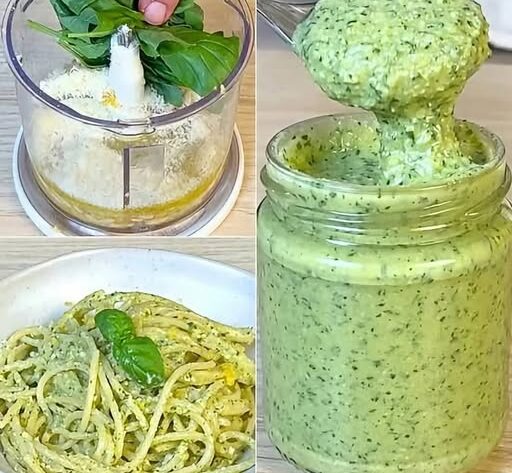
homemade pesto recipe is one you’ll want to keep on hand. Made with fragrant fresh basil, garlic, Parmesan cheese, pine nuts, extra-virgin olive oil, and a squeeze of lemon juice, this classic green sauce is rich, vibrant, and incredibly versatile.
Unlike many store-bought sauces, homemade pesto allows you to control the ingredients, saltiness, texture, and flavor. It takes just a few minutes to prepare in a food processor or blender and instantly transforms pasta, sandwiches, roasted vegetables, chicken, and salads into something special.
Whether you’re making a quick weeknight dinner or preparing a flavorful spread for guests, this easy basil pesto recipe is a simple kitchen staple.
Recipe Details
Prep time
10 minutes
Cook time
0 minutes
Yield
About 1 cup
Servings
8 servings
Total time
10 minutes
Ingredients
- 2 cups fresh basil leaves, gently packed
- ⅓ cup pine nuts
- ½ cup freshly grated Parmesan cheese
- 2 garlic cloves, peeled
- ½ cup extra-virgin olive oil
- 1 tablespoon fresh lemon juice, optional
- ¼ teaspoon salt, or to taste
- ¼ teaspoon freshly ground black pepper
- 2–3 tablespoons cold water, optional, for adjusting consistency
Ingredient notes: Fresh basil provides the signature flavor. Pine nuts give pesto its traditional buttery richness, while Parmesan adds a salty, savory taste. Good-quality olive oil makes a noticeable difference because it is a major ingredient.
If pine nuts are expensive or difficult to find, walnuts, almonds, or cashews are useful alternatives.
Instructions
Step 1: Prepare the Basil
Wash the basil leaves gently under cool running water. Remove any thick stems, damaged leaves, or wilted pieces.
Dry the leaves thoroughly using a salad spinner or clean kitchen towel. Excess water can dilute the sauce and affect its texture.
For the brightest green color, use fresh, healthy leaves and avoid leaving them exposed to heat or direct sunlight for long periods.
Step 2: Toast the Pine Nuts (Optional)
Place the pine nuts in a dry skillet over medium-low heat. Toast for approximately 2–3 minutes, stirring frequently until they become lightly golden and fragrant.
Remove them from the pan immediately and allow them to cool.
Toasting enhances their nutty flavor, although you can skip this step if you prefer a fresher, milder pesto.
Step 3: Process the Garlic, Nuts, and Basil
Place the garlic cloves and pine nuts in a food processor. Pulse several times until roughly chopped.
Add the basil leaves and pulse again until the leaves are finely chopped.
Scrape down the sides of the bowl as needed to ensure the ingredients are evenly processed.
Step 4: Add the Parmesan Cheese
Add the freshly grated Parmesan cheese, salt, and black pepper. Pulse briefly to combine.
Freshly grated cheese generally blends more smoothly than large pieces or coarsely grated cheese.
If you prefer a dairy-free pesto, leave out the Parmesan and use a suitable plant-based alternative or nutritional yeast to taste.
Step 5: Pour in the Olive Oil
With the food processor running on low speed, slowly pour in the olive oil until the ingredients form a thick, spoonable sauce.
Avoid processing for too long, as excessive blending can warm the basil and affect its fresh flavor. If the pesto is too thick, add a small amount of cold water or additional olive oil until you reach your preferred consistency.
Step 6: Finish with Lemon Juice
Add the optional lemon juice and pulse briefly. Taste the pesto and adjust the salt, pepper, or lemon juice as needed.
The finished sauce should be bright green, fragrant, slightly textured, and rich without feeling overly oily.
If you prefer a more traditional flavor, you can omit the lemon juice. It adds freshness but is not essential to classic basil pesto.
Step 7: Serve or Store
Transfer the pesto to a clean jar or bowl. Use it immediately with pasta, sandwiches, grilled vegetables, or your favorite dishes.
If storing it, place it in an airtight container and refrigerate promptly. Smooth the surface and add a thin layer of olive oil if desired to reduce contact with air. This may help preserve its color, but it does not replace proper refrigeration.
Tips for the Best Homemade Pesto
- Use dry basil leaves: Excess moisture can make the sauce watery.
- Choose good olive oil: Extra-virgin olive oil contributes much of the pesto’s flavor.
- Pulse instead of overblending: A slightly textured sauce has a lovely traditional consistency.
- Grate the Parmesan finely: This helps it distribute evenly through the mixture.
- Taste before adding extra salt: Parmesan is naturally salty, so you may need less than expected.
- Keep the ingredients cool: Avoid prolonged processing, which can warm the basil and dull its fresh flavor.
- Adjust the consistency: Use a little water for a lighter sauce or more olive oil for a richer finish.
Delicious Pesto Variations
1. Walnut Pesto
Replace pine nuts with walnuts for an earthy, slightly bolder flavor. This is a practical alternative when pine nuts are unavailable.
2. Vegan Pesto
Skip the Parmesan and add nutritional yeast to taste. Check that the remaining ingredients are suitable for your dietary needs.
3. Sun-Dried Tomato Pesto
Blend sun-dried tomatoes with garlic, olive oil, nuts, and Parmesan for a rich red sauce with a sweet, tangy flavor.
4. Spinach and Basil Pesto
Replace half the basil with fresh spinach for a milder flavor and a slightly different balance of greens.
How to Use Pesto
Homemade pesto is more than just a pasta sauce. Here are some easy ways to enjoy it.
- Pesto pasta: Toss pesto with warm cooked pasta and a splash of reserved pasta water.
- Sandwiches and wraps: Spread a thin layer on bread before adding cheese, tomatoes, chicken, or roasted vegetables.
- Pizza: Use pesto in place of tomato sauce or drizzle it over a baked pizza.
- Roasted vegetables: Mix a spoonful into roasted potatoes, zucchini, carrots, or cauliflower after cooking.
- Chicken and fish: Brush a little pesto over cooked chicken or baked fish just before serving.
- Salad dressing: Whisk pesto with lemon juice and a little water to make a flavorful dressing.
- Eggs: Add a small spoonful to scrambled eggs, omelets, or cooked eggs for extra flavor.
Storage and Freezing
Refrigerator: Store homemade pesto in a clean, airtight container at 40°F (4°C) or below and use within 3–4 days for best safety and quality. Always use a clean spoon to remove portions.
Freezer: Freeze pesto in small portions using an ice cube tray or freezer-safe containers. Once frozen, transfer the cubes to a labeled freezer bag. For best quality, use within about 3 months.
Thawing: Thaw portions in the refrigerator or add frozen pesto directly to hot food near the end of cooking.
Important food safety note: Homemade pesto containing fresh garlic stored in oil should not be kept at room temperature. Oil can create a low-oxygen environment, so refrigerate it promptly and follow the short storage period above.
Nutrition Information
Estimated nutrition per serving, based on 8 servings:
| Nutrient | Approximate amount |
|---|---|
| Calories | 145 kcal |
| Protein | 3 g |
| Carbohydrates | 2 g |
| Total fat | 14 g |
| Saturated fat | 3 g |
| Fiber | 0.5 g |
| Sugar | Less than 1 g |
| Sodium | 150 mg |
Nutrition estimates vary depending on the amount of olive oil, Parmesan, nuts, and salt used.
Frequently Asked Questions
Can I make pesto without a food processor?
Yes. Use a blender, mini chopper, or mortar and pestle. A mortar and pestle takes longer but allows you to control the texture more closely.
Why did my pesto turn dark?
Basil can darken when exposed to air, heat, or prolonged processing. Dry the leaves well, pulse briefly, and refrigerate the finished sauce in an airtight container.
Can I make pesto without pine nuts?
Absolutely. Walnuts, almonds, cashews, or sunflower seeds can replace pine nuts. Each alternative will give the sauce a slightly different flavor.
Is homemade pesto suitable for gluten-free diets?
Traditional basil pesto is generally gluten-free when made with gluten-free ingredients. Check the labels of packaged cheese and other additions, and serve it with gluten-free pasta or bread if needed.
Can I use pesto straight from the refrigerator?
Yes. Stir it before serving. If it has thickened, mix in a little warm water or olive oil to loosen it.
What is the difference between homemade and store-bought pesto?
Homemade pesto offers control over the freshness, texture, salt, and ingredients. Store-bought varieties are convenient and may have a longer shelf life because of their processing and packaging.