 admin1
Healthy, glowing skin is something many people want at every age. As we grow older, fine lines, wrinkles, uneven skin tone, and loss of firmness can gradually become more noticeable. Although aging is a natural process, a consistent skincare routine and a few healthy lifestyle habits can help your skin look smoother, brighter, and more refreshed.
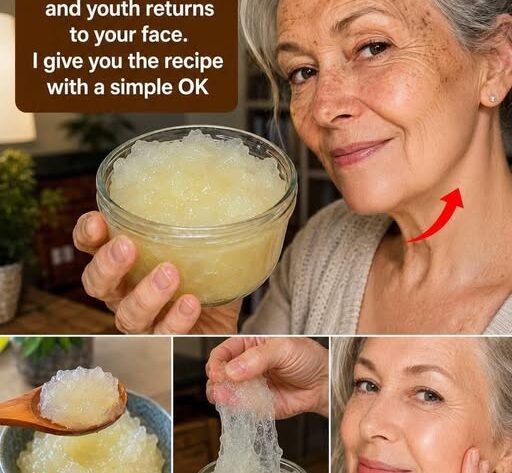
You may have seen claims that a simple homemade ingredient can erase wrinkles or restore youthful skin overnight. The truth is more realistic: no homemade mask or natural remedy can completely eliminate wrinkles or reverse skin aging. However, certain skincare ingredients, sun protection, moisturizers, and evidence-based treatments can improve the appearance of fine lines and support healthier-looking skin.
In this guide, we explore practical ways to care for mature skin, ingredients you can use at home, and habits that may help maintain a healthy complexion.
Why Do Wrinkles and Sagging Skin Develop?
Wrinkles develop through a combination of natural aging, environmental exposure, genetics, and everyday habits.
As skin ages, the body produces less collagen and elastin. Collagen helps provide structural support, while elastin allows skin to stretch and return toward its original shape. As these proteins change, skin can become thinner, drier, and less firm.
Several factors can influence how quickly these changes become visible.
- Sun exposure: Ultraviolet (UV) radiation damages skin structures and contributes to premature wrinkles, pigmentation, and loss of elasticity.
- Natural aging: Collagen production and skin repair processes change over time.
- Smoking: Tobacco smoke contributes to oxidative stress and premature skin aging.
- Dryness: Dehydrated skin can make fine lines appear more noticeable.
- Facial expressions: Repeated movements contribute to expression lines over the years.
- Sleep and lifestyle: Poor sleep, inadequate nutrition, and smoking can affect overall skin health.
Understanding these factors makes it easier to choose skincare habits that address the underlying causes rather than relying on unrealistic promises.
1. Aloe Vera for Hydrated, Refreshed-Looking Skin
Aloe vera is commonly used in skincare products because its gel contains water and compounds that can soothe and moisturize the skin.
When skin becomes dry, fine lines may appear more prominent. A suitable moisturizer or aloe-based gel can help improve hydration, leaving the skin feeling softer and temporarily making some fine lines less noticeable.
How to use aloe vera safely
- Choose a fragrance-free aloe vera gel intended for topical use.
- Apply a small amount to clean skin.
- Follow with a moisturizer if needed.
- Use it according to your skin’s tolerance.
Perform a patch test before applying a new product to your face. Stop using it if you develop redness, itching, or burning.
What to expect: Aloe vera may help soothe and hydrate the skin, but evidence that it significantly tightens sagging skin or removes established wrinkles is limited.
2. Honey for Soft, Moisturized Skin
Honey is a natural humectant, meaning it can help attract and retain moisture. Its skin-conditioning properties make it a popular ingredient in homemade face masks and commercial skincare products.
Well-hydrated skin often looks smoother and feels more comfortable, particularly when dryness contributes to the appearance of fine lines.
A simple honey face mask
Ingredients
- 1 teaspoon plain honey
- 1 teaspoon fragrance-free moisturizer or a little lukewarm water, if needed
Instructions
- Mix the ingredients in a clean bowl.
- Apply a thin layer to clean skin, avoiding the eyes and lips.
- Leave on for approximately 5–10 minutes.
- Rinse thoroughly with lukewarm water.
- Apply your usual moisturizer.
Use this treatment occasionally if your skin tolerates it. Do not apply honey if you have an allergy to it or develop irritation.
Honey may improve the temporary appearance of dryness, but it has not been proven to reverse facial aging or rebuild lost collagen.
3. Moisturizer: One of the Simplest Ways to Soften Fine Lines
A good moisturizer is often more useful for everyday skin care than complicated homemade recipes.
Moisturizers help reduce water loss from the skin and support its protective barrier. Ingredients such as glycerin, ceramides, hyaluronic acid, and petrolatum can help maintain hydration.
How to choose a moisturizer
- For dry skin, look for a cream containing ceramides or glycerin.
- For oily skin, consider a lightweight, non-comedogenic lotion.
- For sensitive skin, choose fragrance-free products.
- For mature skin, a moisturizer containing humectants and barrier-supporting ingredients can help improve softness and comfort.
Apply moisturizer after washing your face, while the skin is still slightly damp.
Moisturizers do not permanently tighten loose skin, but regular use can make dryness-related fine lines less noticeable.
4. Sunscreen: The Most Important Daily Anti-Aging Habit
If your goal is to maintain smoother-looking skin, sun protection deserves special attention.
UV exposure is a major contributor to premature skin aging. It can damage collagen and elastin, increase pigmentation, and deepen wrinkles over time.
How to protect your skin
- Use a broad-spectrum sunscreen with SPF 30 or higher every day.
- Apply it generously to the face, neck, ears, and other exposed areas.
- Reapply approximately every two hours when outdoors and after swimming or heavy sweating.
- Wear a wide-brimmed hat and seek shade when the sun is strongest.
- Remember that UVA exposure can occur even on cloudy days and through some window glass.
Consistent sunscreen use helps prevent further UV-related damage. It cannot erase existing wrinkles, but it can reduce the risk of developing additional sun damage.
5. Retinol: An Evidence-Based Option for Fine Lines
Retinol is a vitamin A derivative found in many over-the-counter skincare products. Some retinoids have substantial evidence supporting their use for improving photoaging, including fine wrinkles, uneven pigmentation, and skin texture.
Retinol products may help support collagen-related processes over time, although results vary and are not immediate.
How to introduce retinol
- Begin with a low-strength product.
- Apply a small amount to dry skin two nights per week.
- Follow with moisturizer.
- Increase frequency gradually if your skin tolerates it.
- Continue using sunscreen every morning.
Retinol can cause dryness, peeling, redness, and irritation, particularly at first. Avoid combining several irritating products when beginning treatment.
Important: Do not use retinoids during pregnancy or when trying to become pregnant without medical guidance. If you have eczema, rosacea, or very sensitive skin, consult a dermatologist before starting.
Unlike many homemade anti-wrinkle remedies, topical retinoids have clinical evidence for improving certain visible signs of skin aging.
6. Nutrition That Supports Healthy Skin
6
A balanced diet supplies nutrients needed for normal skin function. No particular food can restore youth on its own, but good nutrition supports overall health.
Vitamin C
Vitamin C is required for normal collagen production. Sources include oranges, guava, strawberries, kiwi, bell peppers, and broccoli.
Protein
Skin contains proteins, including collagen and elastin. Eggs, fish, poultry, beans, lentils, yogurt, and tofu provide protein needed for normal tissue maintenance.
Healthy fats
Nuts, seeds, olive oil, and oily fish provide fats that can form part of a balanced eating pattern. Omega-3 fatty acids are found in foods such as salmon, sardines, and chia seeds.
Colorful fruits and vegetables
Berries, leafy greens, carrots, and other colorful produce supply vitamins and plant compounds that contribute to a healthy diet.
Eating a variety of foods is more beneficial than relying on expensive supplements or restrictive diets marketed as anti-aging solutions.
7. Sleep and Everyday Habits Matter
Your skincare routine works best when combined with habits that support general health.
- Aim for a consistent sleep schedule and sufficient sleep.
- Avoid smoking and limit exposure to tobacco smoke.
- Cleanse gently rather than scrubbing aggressively.
- Avoid very hot water, which can worsen dryness.
- Drink fluids according to your body’s needs and any medical advice.
- Manage stress through activities such as walking, relaxation, or gentle exercise.
Sleeping well will not eliminate wrinkles, but healthy habits can support skin function and help you look more refreshed.
A Simple Morning and Evening Skincare Routine
You do not need numerous products to care for mature skin.
Morning routine
1. Gentle cleanser
Wash away sweat and excess oil without stripping the skin.
2. Moisturizer
Apply a product suited to your skin type to maintain hydration.
3. Sunscreen SPF 30+
Finish with broad-spectrum sun protection.
Evening routine
1. Cleanse gently
Remove sunscreen, makeup, and daily buildup.
2. Optional retinol
Introduce gradually if appropriate for your skin and health circumstances.
3. Moisturize
Use a suitable moisturizer to help maintain the skin barrier overnight.
What About Homemade Anti-Wrinkle Remedies?
Homemade masks made with ingredients such as honey or aloe vera may temporarily improve hydration or softness. However, many viral recipes promise much more than the evidence supports.
Avoid applying lemon juice, baking soda, undiluted essential oils, or harsh scrubs to your face. These substances can irritate the skin, damage its protective barrier, or increase sensitivity. Lemon juice can also contribute to skin reactions when exposed to sunlight.
Do not apply household glue or other non-skincare products to create a temporary tightening effect. The potential irritation is not worth the risk.
If loose skin or deep wrinkles are your main concern, a dermatologist can explain options such as prescription retinoids, selected cosmetic procedures, or other treatments based on your skin type and goals.
How Long Does It Take to See Results?
The timeline depends on the treatment and the skin concern.
- Moisturizer: Dryness and the appearance of dehydration-related fine lines may improve within days.
- Sunscreen: Its protective effects begin with correct use, but prevention of visible sun damage requires consistency.
- Retinol: Some improvements may become noticeable after 8–12 weeks, with further changes over several months.
- Lifestyle changes: Benefits depend on consistency and overall health.
No treatment can guarantee wrinkle-free skin, and results vary from person to person.