 admin1
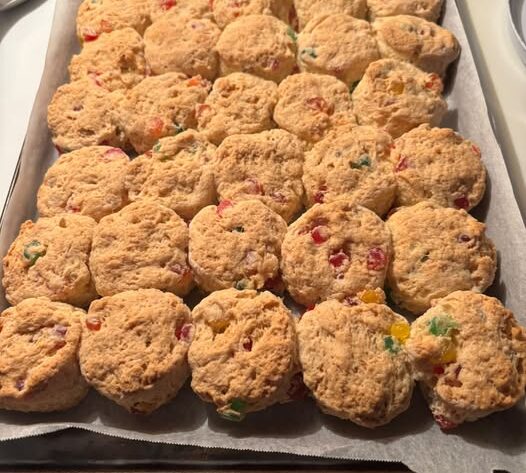
Gum Drop Tea Buns are delightful homemade sweet buns filled with colorful gumdrop candies, creating a delicious combination of soft, fluffy bread and chewy, fruity sweetness. Perfect for afternoon tea, breakfast, holiday gatherings, or a special homemade treat, these old-fashioned buns bring a little color and nostalgia to your baking.
This easy recipe uses simple pantry ingredients and a straightforward dough-making method. The finished buns have a golden exterior, a tender center, and bursts of sweetness from the gumdrops in every bite. Serve them warm with butter, alongside a cup of tea or coffee, or enjoy them as a sweet snack throughout the day.
Recipe Overview
Preparation time
20 minutes
Rising time
1 hour 15 minutes
Baking time
18–22 minutes
Oven temperature
180°C / 350°F
Servings
12 buns
Difficulty
Easy to moderate
Ingredients for Gum Drop Tea Buns
This recipe makes approximately 12 soft, sweet buns.
- 3½ cups (440 g) all-purpose flour, plus extra for dusting
- 2¼ teaspoons (7 g) instant yeast
- ¼ cup (50 g) granulated sugar
- ½ teaspoon salt
- ¾ cup (180 ml) warm milk
- 1 large egg, at room temperature
- ¼ cup (57 g) unsalted butter, softened
- 1 cup (150 g) small gumdrop candies, chopped
- 1 teaspoon vanilla extract
- 1–2 tablespoons milk, for brushing
- Optional: ¼ teaspoon ground cinnamon for extra warmth
Important tip: Choose small, soft gumdrops and cut them into bite-sized pieces. Avoid using hard candies or very large pieces, which can make the buns difficult to shape evenly.
How to Make Gum Drop Tea Buns
Step 1: Prepare the dough
In a large mixing bowl, combine the flour, instant yeast, sugar, and salt. Stir everything together so the yeast is distributed evenly throughout the dry ingredients.
In a separate bowl, whisk the warm milk, egg, and vanilla extract. Make sure the milk is comfortably warm rather than hot, as excessive heat can damage the yeast.
Pour the wet ingredients into the flour mixture. Stir until a rough dough forms.
Add the softened butter and begin kneading. Continue for approximately 8–10 minutes by hand, or 5–7 minutes using a stand mixer with a dough hook. The dough should become smooth, elastic, and slightly tacky.
If the dough feels excessively sticky, add flour a tablespoon at a time. Avoid adding too much flour, because a soft dough produces lighter, fluffier buns.
Step 2: Let the dough rise
Place the dough in a lightly greased bowl and turn it once to coat the surface. Cover the bowl with a clean kitchen towel or plastic wrap.
Leave it in a warm, draft-free place for approximately 60–75 minutes, or until it has doubled in size.
The rising time will depend on the room temperature. In a cool kitchen, the dough may need additional time.
Step 3: Add the gumdrops
Once the dough has risen, gently press it down to release excess air. Transfer it to a lightly floured work surface.
Scatter the chopped gumdrops over the dough and knead gently for 1–2 minutes, just until the pieces are distributed.
Try not to overwork the dough. Gumdrops can become sticky when handled excessively, particularly in a warm kitchen.
For the best appearance, reserve a few small pieces of candy and press them into the tops of the buns before baking.
Step 4: Shape the buns
Divide the dough into 12 equal portions. Shape each portion into a smooth ball by folding the edges underneath and rolling it gently between your hands.
Arrange the buns on a baking tray lined with parchment paper, leaving enough space between them for expansion.
Cover loosely and allow them to rise for another 20–30 minutes, until visibly puffy.
Step 5: Brush and bake
Preheat your oven to 180°C (350°F).
Lightly brush the tops of the buns with milk. This helps them develop a soft, lightly golden finish. Avoid pressing down on the dough while brushing.
Bake for 18–22 minutes, or until the buns are golden brown and cooked through. If your oven browns unevenly, rotate the tray carefully near the end of baking.
The exact baking time will depend on the size of the buns and your oven. The centers should be fully baked, while the gumdrops may become glossy and slightly melted.
If the tops brown too quickly, loosely cover the tray with foil for the final few minutes.
Step 6: Cool and serve
Remove the buns from the oven and allow them to cool on the tray for approximately five minutes. Transfer them to a wire rack to finish cooling.
Gumdrop pieces can become very hot during baking, so allow the buns to cool sufficiently before eating.
Serve them slightly warm or at room temperature. A little butter spread over a freshly cut bun makes a particularly delicious treat.
Tips for Perfect Gum Drop Tea Buns
Use fresh yeast. Yeast that has lost its activity can prevent the buns from rising properly. Check the expiration date and store yeast according to its packaging instructions.
Keep the dough soft. Too much flour can make the finished buns dense and dry. A slightly tacky dough is normal.
Chop the gumdrops carefully. Small pieces distribute more evenly and are less likely to tear the dough during shaping.
Add the candy after the first rise. This makes kneading easier and helps prevent the gumdrops from becoming overly sticky.
Avoid overbaking. Remove the buns when they are golden and cooked through. Excessive baking can dry out the bread and make the candy firmer.
Allow enough rising time. Use the appearance of the dough rather than the clock alone. The buns should look puffy before they go into the oven.
Variations to Try
- Gumdrop and raisin buns: Replace a quarter of the gumdrops with raisins for a traditional fruit-bun flavor.
- Cinnamon gumdrop buns: Add ground cinnamon to the flour mixture for a warm, spiced aroma.
- Citrus gumdrop buns: Add a teaspoon of finely grated orange zest to complement the fruity candy.
- Festive tea buns: Use colorful gumdrops to create cheerful treats for birthdays, Christmas, or family gatherings.
- Glazed gumdrop buns: After baking, brush the warm buns with a simple glaze made from icing sugar and a little milk.
If you prefer a less sweet bun, reduce the sugar in the dough slightly. Keep in mind that the gumdrops already contribute considerable sweetness.
What to Serve with Gum Drop Tea Buns
These buns pair wonderfully with black tea, milk tea, coffee, or a glass of cold milk. For breakfast, serve one with yogurt and fresh fruit. For afternoon tea, arrange the buns on a serving plate with biscuits, sliced fruit, or small sandwiches.
They are also suitable for lunchboxes and casual gatherings. Because the candy makes them sweet, they are often best enjoyed as an occasional treat rather than as a replacement for a balanced meal.
Storage and Freezing Instructions
Allow the buns to cool completely before storing them.
- Room temperature: Store in an airtight container for up to 2–3 days in a cool environment.
- Refrigerator: Refrigeration is generally unnecessary and may cause the bread to become stale more quickly.
- Freezer: Freeze the cooled buns in a freezer-safe bag or airtight container for up to 2 months for best quality.
To serve frozen buns, thaw them at room temperature. Warm them in an oven at approximately 150°C (300°F) for 5–8 minutes if desired. Check carefully, as the candy pieces can become hot.
Do not store the buns while they are still warm, because trapped steam can make the crust damp.
Nutrition Information
The following figures are estimates for one bun when the recipe makes 12 buns. Actual nutrition will vary according to the gumdrops and other ingredients used.
| Nutrient | Approximate amount per bun |
|---|---|
| Calories | 235 kcal |
| Carbohydrates | 42 g |
| Protein | 5 g |
| Total fat | 5 g |
| Saturated fat | 3 g |
| Sugar | 13 g |
| Fiber | 1 g |
| Sodium | 130 mg |
These buns contain wheat, milk, and egg. Check the gumdrop packaging for additional allergens and ingredient information.
Frequently Asked Questions
Can I make gum drop tea buns without a stand mixer?
Yes. Mix the ingredients in a large bowl and knead the dough by hand for approximately 8–10 minutes until smooth and elastic.
Can I prepare the dough ahead of time?
Yes. After kneading, cover the dough and refrigerate it overnight. The following day, allow it to warm slightly, shape the buns, and let them rise until puffy before baking. Refrigerated dough may need extra time to rise.
Why did my buns turn out dense?
Common causes include adding too much flour, insufficient kneading, inactive yeast, or not allowing the dough enough time to rise. Measure the flour carefully and make sure the buns look puffy before baking.
Can I use large gumdrops?
Yes, but chop them into small pieces first. Large pieces can make shaping difficult and may create uneven pockets of sticky candy.
Are gumdrop tea buns very sweet?
They are moderately sweet to sweet, depending on the candy used. You can reduce the added sugar in the dough if you prefer a less sweet result.