 admin1
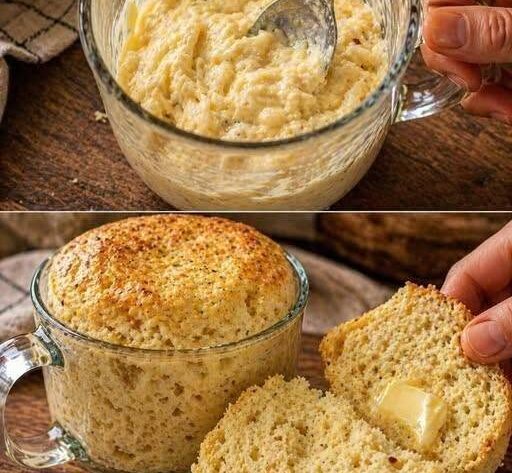
Need bread in a hurry? This Microwave Mug Bread is a quick, single-serving recipe that can be mixed in one mug and cooked in the microwave in about 90 seconds. There’s no yeast, no kneading, no rising time, and no oven required.
Made with just three simple ingredients—almond flour, egg, and baking powder—this little bread is soft, tender, and convenient when you want a quick low-carb alternative to traditional bread.
Note: This recipe is low-carb rather than literally zero-carb. Almond flour and eggs contain small amounts of carbohydrates, so “zero carb” is best treated as a recipe-style name rather than a precise nutrition claim.
Why You’ll Love This Mug Bread
- Ready in about 90 seconds
- Only 3 main ingredients
- No yeast required
- No sugar added
- No kneading or rising
- One mug means minimal cleanup
- Perfect for breakfast or a quick snack
- Easy to customize with savory seasonings
- Works well as a base for sandwiches
Ingredients
Makes: 1 serving
- 3 tablespoons almond flour
- 1 large egg
- ¼ teaspoon baking powder
Optional Additions
The basic recipe only needs three ingredients, but you can add flavor with:
- Pinch of salt
- ¼ teaspoon garlic powder
- ¼ teaspoon Italian seasoning
- 1 tablespoon shredded cheddar cheese
- 1 tablespoon grated Parmesan
- Pinch of black pepper
- Chopped fresh herbs
If you want to keep the recipe as simple as possible, leave the additions out.
Equipment Needed
You only need:
- Microwave-safe mug or ramekin
- Small fork or whisk
- Measuring spoons
- Knife for slicing
Choose a mug that is large enough to allow the bread to rise without overflowing.
How to Make Microwave Mug Bread
Step 1: Prepare the Mug
Lightly grease the inside of a microwave-safe mug with a small amount of butter or cooking oil.
This helps prevent sticking and makes it easier to remove the finished bread.
If you’re using a nonstick or silicone microwave-safe container, greasing may not be necessary.
Step 2: Add the Egg
Crack one large egg directly into the mug.
Beat it thoroughly with a fork.
Make sure the yolk and white are completely combined.
This is important because unevenly mixed egg can produce areas of different texture in the finished bread.
Step 3: Add the Almond Flour
Add 3 tablespoons of almond flour.
Sprinkle in the baking powder.
If you’re using salt or other seasonings, add them now.
Stir everything together until you have a smooth, evenly mixed batter.
Scrape the bottom and sides of the mug to make sure there are no dry pockets of almond flour.
Step 4: Rest Briefly
Let the mixture stand for approximately 30 seconds.
This gives the almond flour a moment to absorb some of the moisture from the egg.
There’s no yeast involved, so there is no rising period.
Step 5: Microwave
Place the mug in the microwave.
Cook on high power for approximately 60–90 seconds.
Microwave wattages vary, so the exact cooking time can differ.
Start with 60 seconds and check the center. If the bread still looks wet, continue cooking in 10–15 second intervals until set.
The finished bread should feel firm in the center and pull slightly away from the sides of the mug.
Important Safety Note
Use only a microwave-safe container, and don’t use metal.
The mug and bread will be hot when cooking is finished, so use care when removing it from the microwave.
Step 6: Rest Before Slicing
Allow the bread to cool for approximately 1–2 minutes.
Run a butter knife around the edge if necessary.
Carefully turn the mug upside down to release the bread.
Slice it horizontally into two pieces if you want sandwich-style bread.
You can also eat it warm directly from the mug.
Recipe Information
Prep Time: 2 minutes
Cook Time: 60–90 seconds
Resting Time: 1–2 minutes
Total Time: Approximately 5 minutes
Servings: 1
Difficulty: Very easy
Microwave Power: High
Cooking Temperature: Microwave—no conventional oven temperature required
Tips for Perfect Microwave Mug Bread
Beat the Egg Well
A well-beaten egg helps create a more uniform crumb.
If the egg isn’t thoroughly mixed, you may end up with a dense or rubbery section.
Measure Almond Flour Correctly
Don’t pack almond flour tightly into the measuring spoon.
Spoon it gently into the measuring spoon and level the top.
Too much almond flour can make the bread dry and heavy.
Don’t Overcook
Microwave bread can go from soft to rubbery very quickly.
Start with 60 seconds and increase the cooking time gradually.
A few extra seconds can make a significant difference.
Let It Cool Briefly
The bread continues setting for a short time after leaving the microwave.
Giving it a minute or two to cool can improve the texture and make it easier to slice.
Use a Wide Mug
A wider mug produces a shape that’s easier to slice into sandwich-style pieces.
A narrow mug will create a taller, thicker piece of bread.
Why Does Mug Bread Become Rubbery?
The most common reason is overcooking.
Microwave cooking removes moisture quickly, and eggs become firm as they heat. If the bread stays in the microwave too long, the egg proteins can become tight and rubbery.
Try reducing the cooking time by 10–15 seconds next time.
Also make sure you’re using the correct amount of almond flour. Too much flour can make the bread dense and dry.
How to Make It Softer
If you prefer a softer, richer texture, add one of these optional ingredients:
- 1 teaspoon melted butter
- 1 teaspoon olive oil
- 1 tablespoon cream cheese
- 1 tablespoon shredded cheese
These additions change the recipe from the strict three-ingredient version, but they can produce a softer and more flavorful crumb.
Savory Garlic Mug Bread
For a quick garlic version, add:
- ¼ teaspoon garlic powder
- Pinch of Italian seasoning
- Pinch of salt
After cooking, brush the top with a little melted butter and sprinkle with fresh parsley.
For cheesy garlic bread, add 1 tablespoon shredded mozzarella or Parmesan to the batter.
Microwave until the center is set and the cheese is melted.
Cheesy Mug Bread
Add approximately 1 tablespoon shredded cheddar or mozzarella to the basic batter.
Mix thoroughly.
Microwave as directed.
The cheese adds richness and creates a softer, more savory bread.
For extra flavor, add a pinch of black pepper or paprika.
Breakfast Mug Bread
Turn your mug bread into a quick breakfast sandwich.
Slice the cooked bread in half and fill it with:
- Scrambled egg
- Cheese
- Turkey
- Avocado
- Cooked bacon
- Tomato
- Spinach
Warm the assembled sandwich briefly if desired.
How to Serve Microwave Mug Bread
This bread is surprisingly versatile.
As Toast
Slice the bread and toast it in a skillet until lightly browned.
Add butter, cream cheese, or avocado.
As a Sandwich
Slice horizontally and fill with your favorite sandwich ingredients.
With Eggs
Serve alongside scrambled or fried eggs for breakfast.
With Soup
Cut the bread into pieces and serve alongside a bowl of soup.
With Dips
Try it with cream cheese, hummus, guacamole, or a savory dip.
As Garlic Bread
Brush with garlic butter and briefly toast in a skillet or toaster oven.
Can You Toast Mug Bread?
Yes.
Microwave mug bread can be soft when first cooked. Toasting it afterward improves the texture and adds crisp edges.
After the bread has cooled slightly, slice it into two pieces.
Toast in a dry skillet over medium heat for approximately 1–2 minutes per side, or until lightly browned.
You can also use a toaster if the slices are thick enough and your appliance is appropriate for the bread size.
Can You Make Mug Bread Without Almond Flour?
Yes, but it becomes a different recipe.
Coconut flour absorbs considerably more liquid than almond flour, so it cannot be substituted tablespoon-for-tablespoon.
If you want to use coconut flour, the recipe needs to be reformulated with different proportions.
For the simplest results, use finely ground almond flour as written.
Is This Bread Really Zero Carb?
Not technically.
Although this recipe contains very little carbohydrate compared with conventional bread, almond flour contains carbohydrates, and eggs contain a small amount as well.
The exact net-carb count depends on the brand of almond flour and the size of the egg.
If you’re following a strict ketogenic or medically prescribed carbohydrate-restricted diet, check the nutrition label of your specific ingredients rather than relying on a generic “zero-carb” claim.
Storage Instructions
Because this is a single-serving recipe, it’s best eaten immediately.
If you have leftovers, allow the bread to cool completely and place it in an airtight container.
Refrigerate for up to 2 days.
Reheat briefly in the microwave or toast in a skillet.
The texture is generally best when freshly made.
Can You Freeze Mug Bread?
Yes, although the small batch makes freezing unnecessary for most people.
If you want to freeze it, allow the bread to cool completely.
Slice it in half and wrap the pieces individually.
Place them in a freezer-safe bag.
Freeze for up to approximately 1 month for best quality.
Thaw in the refrigerator and toast before serving.
Nutrition Information
Approximate nutrition for the basic recipe:
- Calories: 210–230
- Protein: 10–11 g
- Fat: 18–19 g
- Total Carbohydrates: 6–7 g
- Fiber: 3–4 g
- Estimated Net Carbohydrates: 2–3 g
- Sugar: Less than 1 g
- Sodium: Approximately 200–300 mg
Nutrition varies according to the almond flour and egg used. Optional butter, cheese, or other toppings will change the nutritional values.
Frequently Asked Questions
Can I make this without baking powder?
You can, but the bread will be denser and less fluffy. Baking powder provides the small amount of leavening needed for a lighter texture.
Why didn’t my bread rise?
Make sure your baking powder is fresh and that you haven’t used an oversized mug. Microwave mug bread generally rises modestly rather than dramatically.
Can I use coconut flour?
Not as a direct substitution. Coconut flour absorbs much more liquid and requires a different recipe ratio.
Can I make this dairy-free?
Yes. The basic three-ingredient recipe contains no dairy if you use almond flour, egg, and baking powder. Avoid optional butter or cheese.
Can I make this nut-free?
Almond flour is a nut-based ingredient, so this particular recipe isn’t nut-free. A nut-free version requires a different flour combination and liquid ratio.
Can I make several mugs at once?
It’s better to make individual portions separately because microwave cooking becomes less predictable when several containers are cooked simultaneously.