admin1
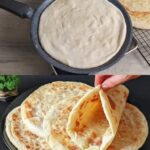
Soft, warm, and wonderfully simple, this 2-Ingredient Flatbread is one of those recipes you’ll want to keep on hand whenever you need homemade bread without yeast, complicated techniques, or a long ingredient list.
All you need is self-rising flour and Greek yogurt. Mix the two together, knead briefly, roll the dough into thin rounds, and cook them in a hot skillet. In just a few minutes, you’ll have tender flatbreads with lightly browned spots and a soft, chewy center.
These homemade flatbreads are perfect for wraps, sandwiches, dipping, breakfast, or serving alongside curries, soups, grilled meats, and roasted vegetables.
Why You’ll Love This Recipe
- Only 2 ingredients
- No yeast required
- No lengthy rising time
- Ready in about 30 minutes
- Soft and flexible
- Easy to make on the stovetop
- Perfect for wraps and dipping
- Great beginner-friendly bread recipe
- Easy to customize with herbs and spices
Ingredients
Makes 6 flatbreads
- 2 cups (240 g) self-rising flour
- 1 ½ cups (about 360 g) plain Greek yogurt
That’s it!
If You Don’t Have Self-Rising Flour
You can make your own self-rising flour by combining:
- 2 cups all-purpose flour
- 3 teaspoons baking powder
- ½ teaspoon salt
Whisk the ingredients together thoroughly before using.
Because flour brands and yogurt thickness vary, you may need a small amount more or less flour to create a soft, workable dough.
Preparation Information
Prep Time: 10 minutes
Resting Time: 10 minutes
Cook Time: 12–18 minutes
Total Time: About 30–40 minutes
Servings: 6 flatbreads
Difficulty: Easy
Cooking Temperature: Medium-high skillet
Calories: Approximately 180–220 per flatbread, depending on ingredients and size
How to Make 2-Ingredient Flatbread
Step 1: Combine the Ingredients
Add the self-rising flour to a large mixing bowl.
Make a well in the center and add the Greek yogurt.
Using a wooden spoon or sturdy spatula, mix until the flour and yogurt begin forming a shaggy dough.
At first, the dough may look rough and slightly sticky.
That’s completely normal.
Step 2: Bring the Dough Together
Lightly flour your work surface.
Transfer the dough onto the surface.
Knead gently for approximately 2–3 minutes, just until the dough becomes smooth enough to handle.
Try not to add excessive flour.
The dough should be soft and slightly tacky rather than dry and stiff.
If the dough is extremely sticky, sprinkle in flour 1 tablespoon at a time until it becomes manageable.
If the dough feels dry or crumbly, add a teaspoon of yogurt and knead again.
Step 3: Rest the Dough
Form the dough into a ball.
Cover it with a clean kitchen towel or place it in a covered bowl.
Let it rest for approximately 10 minutes.
This short resting period allows the flour to hydrate and makes the dough easier to roll.
Step 4: Divide the Dough
Divide the dough into 6 equal portions.
Roll each portion into a ball.
Keep the dough balls covered while working with them so they don’t dry out.
Step 5: Roll the Flatbreads
Lightly flour your work surface.
Roll one dough ball into a round approximately ⅛ inch (3 mm) thick.
You can make the flatbread thinner or thicker according to your preference.
For wraps, aim for a relatively thin, flexible flatbread.
For dipping or serving alongside dinner, a slightly thicker flatbread works beautifully.
Don’t worry if the circles aren’t perfectly round. Homemade flatbread is meant to look rustic.
Step 6: Heat the Skillet
Place a large cast-iron or heavy-bottomed skillet over medium-high heat.
Allow it to heat for approximately 3–5 minutes.
You don’t need to add oil.
The dry skillet helps create the characteristic toasted spots on the surface.
To test the temperature, sprinkle a tiny drop of water onto the skillet. It should sizzle and evaporate quickly.
Step 7: Cook the Flatbread
Place one rolled flatbread onto the hot skillet.
Cook for approximately 1–2 minutes on the first side.
You should begin seeing bubbles forming on the surface, with lightly browned spots underneath.
Flip the flatbread.
Cook for another 1–2 minutes.
Press gently with a spatula if needed to encourage additional browning.
The flatbread is ready when both sides have golden-brown patches and the center is cooked through.
Repeat with the remaining dough.
Step 8: Keep the Flatbreads Soft
As each flatbread finishes cooking, place it on a clean plate.
Cover the stack loosely with a clean kitchen towel.
The trapped steam helps keep the flatbreads soft and flexible.
If you’re preparing them for wraps, this step is particularly useful.
Optional Garlic Butter Topping
Although the basic recipe requires only two ingredients, you can turn the finished flatbreads into delicious garlic flatbread.
Mix:
- 2 tablespoons melted butter
- 1 minced garlic clove
- 1 tablespoon chopped parsley
Brush the mixture over the hot flatbreads.
For a cheesy variation, sprinkle with Parmesan while the butter is still warm.
Easy Flavor Variations
The basic two-ingredient dough is extremely versatile.
Garlic Herb Flatbread
Add ½ teaspoon garlic powder and 1 teaspoon dried Italian herbs to the flour before mixing.
Brush the cooked bread with garlic butter.
Cheesy Flatbread
Sprinkle shredded cheddar, mozzarella, or Parmesan over the hot flatbread.
Cover the skillet briefly so the cheese melts.
Everything Flatbread
Sprinkle everything bagel seasoning over the dough before cooking.
Press it lightly into the surface so it sticks.
Za’atar Flatbread
Brush the cooked bread lightly with olive oil and sprinkle with za’atar.
Serve with hummus or yogurt.
Sweet Flatbread
For a dessert-style version, add a little cinnamon and sugar to the finished bread and brush lightly with melted butter.
How to Serve 2-Ingredient Flatbread
There are countless ways to use these simple flatbreads.
Make Wraps
Use them instead of tortillas for:
- Chicken wraps
- Turkey wraps
- Falafel
- Grilled vegetables
- Hummus wraps
- Gyro-style sandwiches
Their soft texture makes them excellent for wrapping fillings.
Serve With Curry
Warm flatbread is perfect for scooping up curries, stews, and saucy dishes.
Try it with chicken curry, chickpea curry, butter chicken, or vegetable curry.
Serve With Dips
Cut the bread into wedges and serve with:
- Hummus
- Tzatziki
- Baba ganoush
- Guacamole
- Salsa
- Whipped feta
Make Flatbread Pizza
Top a cooked flatbread with tomato sauce, mozzarella, vegetables, and cooked meat.
Bake at 425°F (220°C) for approximately 7–10 minutes, or until the cheese melts and the edges become crisp.
Breakfast Flatbread
Top with scrambled eggs, cheese, avocado, and cooked bacon or sausage.
Tips for Soft and Flexible Flatbread
Use Thick Greek Yogurt
Greek yogurt works particularly well because it contains less liquid than regular yogurt.
If you’re using regular plain yogurt, you may need additional flour.
Don’t Overknead
This isn’t traditional yeast bread.
You only need enough kneading to bring the ingredients together and create a smooth dough.
Overworking the dough can make the flatbread tougher.
Don’t Add Too Much Flour
A dry dough produces dry flatbread.
Add flour gradually only when necessary.
Get the Skillet Hot
A properly heated skillet helps the flatbread puff and creates those delicious golden-brown patches.
If the skillet isn’t hot enough, the bread can become dry before it develops good color.
Don’t Overcook
Flatbread cooks quickly.
Leaving it on the skillet too long can remove moisture and make it stiff.
As soon as it develops golden spots and is cooked through, remove it.
Why Does My Flatbread Not Puff?
Flatbreads don’t always puff dramatically, and that’s okay.
However, if you’re looking for more bubbles, make sure:
- Your skillet is properly preheated.
- The dough isn’t rolled excessively thin.
- The baking powder in your self-rising flour is fresh.
- You don’t press all the air out of the dough while rolling.
Small bubbles are completely normal and contribute to a light texture.
Can I Make This Recipe Gluten-Free?
Yes, but you cannot simply substitute any gluten-free flour and expect identical results.
Use a gluten-free self-rising flour blend designed for flatbreads or baking. Depending on the blend, you may also need xanthan gum or another binder.
The dough will generally have a different texture from traditional wheat-based flatbread.
If preparing for someone with celiac disease, make sure the flour and other ingredients are certified gluten-free and avoid cross-contact with wheat.
Can I Make It Dairy-Free?
Yes, but because yogurt provides moisture and acidity, you’ll need a suitable dairy-free yogurt alternative.
Choose a thick, unsweetened plant-based yogurt.
Coconut, almond, or soy yogurt can work, although the flavor and consistency may vary.
Storage Instructions
Allow the cooked flatbreads to cool completely.
Place them in an airtight container or zip-top bag.
Store at room temperature for approximately 1 day or refrigerate for up to 3–4 days.
To soften refrigerated flatbread, warm it briefly in a dry skillet or microwave.
For microwave reheating, cover the flatbread with a slightly damp paper towel and heat for approximately 10–15 seconds.
Can You Freeze 2-Ingredient Flatbread?
Absolutely.
Place parchment paper between individual flatbreads to prevent sticking.
Transfer them to a freezer-safe bag and remove excess air.
Freeze for up to approximately 2–3 months.
To use, thaw at room temperature or reheat directly from frozen in a skillet.
A few minutes over medium heat should bring back much of the soft texture.
Nutrition Information
Approximate nutrition per flatbread when making 6 from the basic recipe:
- Calories: 180–220
- Protein: 8–10 g
- Carbohydrates: 30–34 g
- Fat: 2–4 g
- Saturated Fat: 1–2 g
- Fiber: 1–2 g
- Sugar: 2–4 g
- Sodium: 300–450 mg
Nutrition varies depending on the flour and Greek yogurt brands used.
Optional toppings such as butter, cheese, or oil will increase the calories and fat.
Frequently Asked Questions
Can I use regular yogurt?
Yes. Plain yogurt can work, although Greek yogurt is generally easier because it’s thicker. You may need to adjust the flour quantity.
Can I use self-rising flour and yogurt in equal amounts?
Some versions use roughly equal weights of flour and thick yogurt, but the exact ratio depends on the flour and yogurt. Start with the recipe above and adjust the dough gradually if necessary.
Why is my dough sticky?
Your yogurt may contain more moisture than expected. Add flour one tablespoon at a time until the dough becomes soft and workable.
Why is my flatbread hard?
It may have been overcooked or the dough may have contained too much flour. Keep the cooking time short and cover finished flatbreads with a towel to retain moisture.
Can I cook these in an air fryer?
A skillet generally produces the best results because direct contact with the hot surface creates the characteristic browned spots. For an air fryer, test a small batch at approximately 375°F (190°C) and monitor closely because cooking time will vary.