 admin1
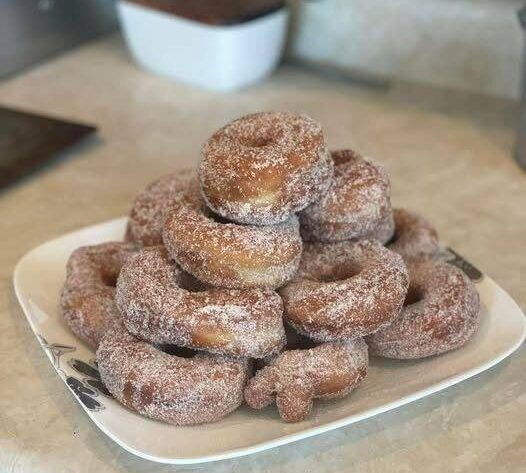
Homemade sourdough pumpkin donuts are a delicious way to combine the warm flavors of pumpkin, cinnamon, nutmeg, and sourdough in one irresistible treat. These donuts are soft, tender, lightly sweet, and full of cozy autumn flavor. Made with pumpkin puree and an active sourdough starter, they are perfect for breakfast, weekend baking, afternoon coffee, or a homemade dessert to share with family and friends.
Unlike ordinary donuts that rely entirely on commercial yeast, sourdough pumpkin donuts use a sourdough starter to help develop their flavor and texture. The pumpkin adds moisture and a beautiful orange color, while cinnamon and pumpkin pie spices give every bite a comforting seasonal taste.
This recipe is ideal for sourdough bakers who want something different from their usual sourdough bread. You can fry the donuts for a traditional bakery-style texture or bake them in a donut pan for a lighter alternative. Finish them with cinnamon sugar, a simple vanilla glaze, or maple icing for an extra-special homemade treat.
Recipe Overview
- Preparation time: 25 minutes
- Initial resting time: 30 minutes
- Bulk fermentation: 4–6 hours
- Final proofing: 1–3 hours
- Cooking time: 15–25 minutes per batch, depending on method
- Total time: Approximately 7–11 hours, plus cooling and decorating
- Frying temperature: 175°C (350°F)
- Baking temperature: 180°C (350°F)
- Yield: 10–12 donuts
- Difficulty: Intermediate
Fermentation times are estimates. The actual time depends on the strength of your starter, the temperature of your kitchen, and the moisture content of your pumpkin puree.
Ingredients for Homemade Sourdough Pumpkin Donuts
For the donut dough
- 100 g active sourdough starter
- 250 g all-purpose flour or bread flour
- 120 g pumpkin puree
- 1 large egg
- 40 g brown sugar
- 40 g softened unsalted butter
- 50 ml whole milk, adding gradually as needed
- 1 teaspoon ground cinnamon
- ¼ teaspoon ground nutmeg
- ¼ teaspoon ground ginger
- ½ teaspoon salt
- 1 teaspoon vanilla extract
- Neutral oil, for frying
For the cinnamon sugar coating
- 100 g granulated sugar
- 1 teaspoon ground cinnamon
- 2 tablespoons melted butter, optional
Optional vanilla glaze
- 100 g powdered sugar
- 1–2 tablespoons milk
- ½ teaspoon vanilla extract
Ingredient notes
Pumpkin puree: Use plain pumpkin puree rather than pumpkin pie filling, which often contains added sugar and spices. If your puree is watery, blot or drain it slightly to avoid making the dough too wet.
Sourdough starter: Use a recently fed, active starter that is bubbly and rises predictably. A 100%-hydration starter, fed with equal weights of flour and water, works well.
Flour: All-purpose flour creates a tender donut, while bread flour may provide slightly more chew and structure.
Spices: Cinnamon, nutmeg, and ginger complement the pumpkin. You can replace them with approximately 1½ teaspoons of pumpkin pie spice if preferred.
Step-by-Step Instructions
Step 1: Mix the wet ingredients
In a large mixing bowl, combine the active sourdough starter, pumpkin puree, egg, brown sugar, milk, and vanilla extract. Whisk until the mixture is mostly smooth.
Add the flour, cinnamon, nutmeg, ginger, and salt. Mix with a wooden spoon or sturdy spatula until a rough dough forms.
Because pumpkin puree varies in moisture, avoid adding all the milk immediately if your puree is particularly wet. You want a soft dough that can be kneaded and shaped without spreading excessively.
Step 2: Add the butter and knead
Add the softened butter and knead the dough for approximately 8–12 minutes by hand, or 6–8 minutes using a stand mixer with a dough hook on low to medium-low speed.
Initially, the dough may feel sticky. As the flour absorbs moisture and gluten develops, it should become smoother and more elastic.
Resist adding too much extra flour. Excess flour can make the finished donuts dry and heavy. If the dough is difficult to handle, let it rest for 5–10 minutes before continuing.
Step 3: Allow the dough to ferment
Place the dough in a lightly greased bowl and cover it. Leave it at room temperature for approximately 4–6 hours, adjusting the time according to your kitchen temperature and starter activity.
During the first two hours, you can perform two gentle stretch-and-folds to improve the dough’s structure.
Pumpkin dough may not double as dramatically as ordinary bread dough because pumpkin adds weight and moisture. Look for a noticeable increase in volume, a softer texture, and some airiness.
If the dough remains dense, it may need additional fermentation time. Do not rely on the clock alone.
Step 4: Roll and cut the donuts
Transfer the dough to a lightly floured work surface. Roll it to approximately 1.5 cm (⅝ inch) thick.
Use a donut cutter to cut out rounds with holes in the center. If you do not have a donut cutter, use a large round cutter and a small bottle cap or cutter for the center.
Gather the scraps gently, reroll them once, and cut additional donuts. Repeated rerolling can make the dough tougher.
Place the donuts on small squares of parchment paper or a lightly floured tray, leaving space between them.
Step 5: Complete the final proof
Cover the shaped donuts loosely and leave them at room temperature for approximately 1–3 hours.
They should look puffy and feel lighter than when first shaped. Gently touching the side should leave an indentation that begins to spring back slowly.
If the dough is still firm and dense, allow additional time. If the donuts become extremely fragile or begin collapsing, they may have proofed too long.
How to Fry Sourdough Pumpkin Donuts
Step 6: Heat the oil
Pour neutral frying oil into a heavy, deep saucepan or Dutch oven, filling it no more than halfway. Heat the oil to 175°C (350°F) and check it with a cooking thermometer.
Keep the temperature steady throughout frying. Oil that is too hot can brown the outside before the centers cook, while oil that is too cool can make the donuts greasy.
Never leave hot oil unattended, and keep water away from the pan.
Step 7: Fry until golden
Carefully lower two or three donuts into the oil at a time, depending on the size of your pan. Avoid overcrowding, as adding too many donuts can lower the oil temperature.
Fry for approximately 1½–2½ minutes per side, adjusting the time according to thickness and browning.
The donuts should turn golden brown and feel cooked through. If you are unsure whether the centers are done, check one donut by cutting it open. The interior should be set, not wet or doughy.
Transfer the cooked donuts to a wire rack lined beneath with paper towels to catch excess oil.
Step 8: Add the cinnamon sugar coating
Mix the granulated sugar and cinnamon in a shallow bowl.
While the donuts are still warm, brush them lightly with melted butter if needed, then toss them in the cinnamon sugar until evenly coated.
For a glazed version, let the donuts cool slightly before dipping the tops into a mixture of powdered sugar, milk, and vanilla extract. Add the milk gradually until the glaze reaches a thick but pourable consistency.
Allow the glaze to set for several minutes before serving.
How to Bake Sourdough Pumpkin Donuts
If you prefer not to fry your donuts, you can bake them instead.
- Preheat your oven to 180°C (350°F).
- Grease a donut pan lightly with butter or baking spray.
- After the dough has fermented, roll and cut the donuts as directed, or pipe a suitably soft dough into the pan if using a recipe specifically formulated for piped donuts.
- Place the shaped donuts in the pan and allow them to proof until visibly puffy.
- Bake for approximately 12–16 minutes, checking that the centers are fully cooked.
- Let them rest briefly before removing them from the pan.
- Brush lightly with melted butter and coat with cinnamon sugar, or finish with vanilla glaze.
Important: This dough is designed primarily for rolled and fried donuts. It may be too firm for piping into a donut pan, and baked results will be more bread-like than traditional fried donuts. For consistently shaped baked donuts, a slightly softer, pan-specific dough may be preferable.
Tips for Perfect Pumpkin Sourdough Donuts
Use thick pumpkin puree. Excess moisture can make the dough difficult to roll and shape. Drain watery puree before measuring.
Keep the starter active. A healthy starter improves fermentation and gives the donuts a lighter texture.
Avoid excessive flour. Add only enough flour to prevent sticking during shaping. Too much can create dry donuts.
Proof until puffy. Under-proofed donuts can be dense, while over-proofed donuts may deflate when handled.
Monitor oil temperature. Maintain approximately 175°C (350°F) for even browning and cooking.
Fry in small batches. This helps maintain the oil temperature and gives each donut enough room to cook evenly.
Use your preferred topping. Cinnamon sugar provides a classic finish, while maple or vanilla glaze adds sweetness.
Storage and Make-Ahead Instructions
Homemade sourdough pumpkin donuts taste best on the day they are made. Once cooled, store them in an airtight container at room temperature for up to 2 days, depending on the humidity and storage conditions.
Refrigeration may make the donuts stale more quickly. If you want to keep them longer, freeze the unglazed donuts in a freezer-safe container for up to 2 months for best quality. Thaw at room temperature and warm briefly in a low oven before serving.
You can also refrigerate the dough overnight after some initial fermentation. Shape and proof the donuts the following day, allowing them to warm and become puffy before frying. Since refrigeration slows but does not completely stop fermentation, check the dough before proceeding.
Nutrition Information
The following nutrition values are estimates for one cinnamon-sugar-coated fried donut, assuming the recipe makes 12 donuts. Actual values vary according to oil absorption, donut size, and the amount of coating used.
| Nutrient | Approximate amount |
|---|---|
| Calories | 220–280 kcal |
| Protein | 4 g |
| Carbohydrates | 35 g |
| Fat | 9 g |
| Saturated fat | 3 g |
| Fiber | 1–2 g |
| Sugars | 12 g |
| Sodium | 120 mg |
These estimates include a modest amount of frying oil and cinnamon sugar but exclude the optional vanilla glaze. They are not laboratory-tested values.
Frequently Asked Questions
Can I use sourdough discard instead of active starter?
Active starter is recommended because it provides the leavening needed for a light donut. Unfed discard may contribute flavor but often produces slower or less predictable fermentation. If using discard, you may need a different recipe or additional leavening.
Do sourdough pumpkin donuts taste sour?
Not necessarily. Pumpkin, brown sugar, cinnamon, and nutmeg balance the sourdough flavor. A long or warm fermentation can create a stronger tang, so adjust fermentation to suit your taste.
Can I make the dough ahead of time?
Yes. Refrigerating the dough overnight can make the process easier to manage. Allow for additional proofing time the next day if the shaped donuts are not sufficiently puffy.
Why are my donuts dense?
A weak starter, insufficient fermentation, too much flour, or inadequate final proofing can all lead to dense donuts. Pumpkin’s moisture content also affects the dough, so adjust the milk gradually.
Can I make these donuts without dairy?
You can experiment with unsweetened plant-based milk and dairy-free butter. The texture and browning may differ slightly from the original recipe.