 admin1
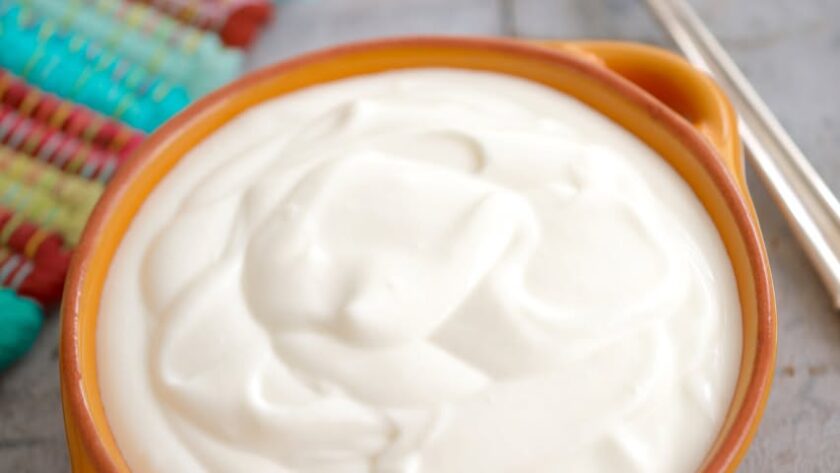
 Homemade sour cream is a simple, creamy, slightly tangy dairy staple that you can easily make at home with just a few ingredients. It’s rich, smooth, and perfect for baking, cooking, or topping everything from baked potatoes to tacos and soups. The best part? You don’t need any special equipment—just milk, cream, and a bit of acid or starter culture.
Once you try homemade sour cream, you’ll notice it tastes fresher and more balanced than most store-bought versions, with a natural tang and silky texture.
Why You’ll Love This Recipe
- Only 2–3 simple ingredients
- No preservatives or additives
- Creamy, fresh, and naturally tangy
- Easy to customize thickness and flavor
- Perfect for cooking, baking, and dipping
- Ready in 12–24 hours
Preparation Time
- Prep Time: 5 minutes
- Fermentation Time: 12–24 hours
- Chill Time: 2–4 hours
- Total Time: Up to 1 day
Yield
1 cup sour cream
Ingredients
Option 1: Classic Homemade Sour Cream
- 1 cup (240 ml) heavy cream
- 1 tablespoon lemon juice OR white vinegar
- 1 tablespoon buttermilk OR plain yogurt (live cultures preferred)
Option 2: Traditional Culture Method
- 1 cup (240 ml) heavy cream
- 2 tablespoons cultured buttermilk
Equipment Needed
- Glass jar or bowl
- Spoon or whisk
- Clean kitchen towel or lid
- Refrigerator
Instructions
Step 1: Choose Your Method
You can make sour cream in two ways:
Quick Acid Method (faster)
Uses lemon juice or vinegar + a little yogurt/buttermilk.
Traditional Fermentation Method (best flavor)
Uses cultured buttermilk and natural fermentation.
Step 2: Mix Ingredients
For Quick Method:
In a clean jar, combine:
- Heavy cream
- Lemon juice or vinegar
- Buttermilk or yogurt
Stir well until fully mixed.
For Traditional Method:
Combine:
- Heavy cream
- Buttermilk
Mix gently until smooth.
Step 3: Ferment
Cover the jar loosely with a lid or clean cloth.
Leave at room temperature for:
12–24 hours
Ideal fermentation temperature:
68–75°F (20–24°C)
The mixture will gradually thicken and develop a tangy aroma.
Step 4: Check Thickness
After fermentation, the mixture should be:
- Thick like yogurt
- Slightly tangy
- Smooth and creamy
If it’s still thin, let it sit a few more hours.
Step 5: Chill
Once thickened, stir gently and refrigerate for:
2–4 hours
This helps it fully set and develop flavor.
Texture Guide
Perfect sour cream should be:
- Thick but spoonable
- Smooth and creamy
- Slightly tangy, not overly sour
- Glossy and rich
How to Use Homemade Sour Cream
Savory Uses
- Tacos and burritos
- Baked potatoes
- Soups and stews
- Salad dressings
- Dips for chips and vegetables
Baking Uses
- Cakes and muffins (adds moisture)
- Pancakes and waffles
- Biscuits and scones
Sweet Uses
- Cheesecake topping
- Fruit dips
- Dessert sauces
Tips for Perfect Sour Cream
Use Fresh Cream
Higher fat cream (35%+) gives the best texture.
Don’t Overheat
Keep fermentation at room temperature, not warm heat.
Use Clean Containers
Prevents unwanted bacteria growth.
Let It Rest
Flavor improves after chilling overnight.
Troubleshooting
Too Thin
- Not fermented long enough
- Low-fat cream used
- Cold room temperature slowed fermentation
Too Sour
- Fermented too long
- Refrigerate earlier next time
Grainy Texture
- Overmixed or poor-quality cream
- Temperature fluctuations
Variations
Garlic Sour Cream
Add minced garlic and salt for dips.
Herb Sour Cream
Mix in:
- Dill
- Chives
- Parsley
Spicy Sour Cream
Add:
- Chili powder
- Paprika
- Lime juice
Sweet Sour Cream
Add:
- Honey
- Vanilla extract
- Cinnamon
Perfect for fruit or desserts.
Storage
- Refrigerator: up to 7–10 days
- Always store in a sealed container
- Stir before each use
Do not freeze (it will separate and lose texture).
Nutritional Information (Per 2 Tablespoons)
Approximate values:
- Calories: 60
- Protein: 1 g
- Carbohydrates: 1 g
- Fat: 6 g
- Saturated Fat: 4 g
- Sugar: 1 g
- Sodium: 5 mg
- Calcium: 20 mg