 admin1
Homemade Vegetable Soup Recipe – Healthy, Comforting, and Easy to Make
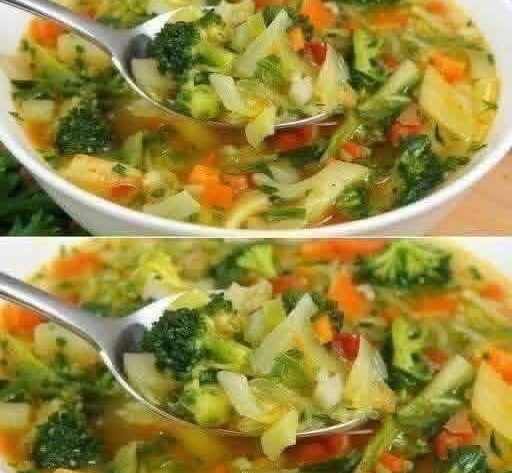
Homemade Vegetable Soup is a delicious, nutritious, and comforting meal filled with fresh vegetables, flavorful herbs, and a rich, savory broth. Whether you need a cozy lunch on a chilly day, a light dinner, or a healthy meal to enjoy throughout the week, this easy vegetable soup recipe is a wonderful choice.
Made with simple, affordable ingredients, this soup is naturally vegetarian, easy to customize, and perfect for using up vegetables you already have in your kitchen. The combination of carrots, potatoes, celery, tomatoes, peas, and green beans creates a hearty texture, while garlic, onions, and herbs add delicious depth of flavor.
One of the best things about homemade vegetable soup is how easily you can adapt it to your taste. Add extra vegetables, include beans for more protein, or adjust the seasonings to create a soup your whole family will enjoy.
If you’re looking for a simple, wholesome, and budget-friendly recipe, this homemade vegetable soup deserves a place in your regular meal rotation.
Recipe Details
- Preparation Time: 15 minutes
- Cooking Time: 30 minutes
- Total Time: 45 minutes
- Servings: 6
- Course: Lunch, Dinner, or Appetizer
- Cuisine: American-inspired
- Cooking Method: Stovetop
- Temperature: Medium heat, followed by a gentle simmer
- Difficulty: Easy
Ingredients for Homemade Vegetable Soup
The ingredients in this recipe are easy to find and work together to create a delicious, flavorful broth with plenty of vegetables.
- 2 tablespoons olive oil
- 1 medium onion, finely chopped
- 3 cloves garlic, minced
- 2 medium carrots, peeled and diced
- 2 celery stalks, chopped
- 2 medium potatoes, peeled and diced
- 1 cup chopped green beans
- 1 cup frozen or fresh peas
- 1 medium zucchini, diced
- 1 can (14.5 ounces) diced tomatoes
- 6 cups vegetable broth
- 1 teaspoon dried thyme
- 1 teaspoon dried oregano
- 1 bay leaf
- ½ teaspoon paprika
- Salt and black pepper, to taste
- 1 tablespoon fresh lemon juice
- 2 tablespoons chopped fresh parsley
Optional additions:
- 1 cup sweet corn
- 1 cup cooked chickpeas or white beans
- ½ teaspoon chili flakes
- Fresh spinach or kale
- A little grated Parmesan cheese for serving
Step-by-Step Instructions
Step 1: Prepare the Vegetables
Begin by washing all your fresh vegetables thoroughly under running water. Peel and dice the carrots and potatoes into small, evenly sized pieces. Chop the celery, zucchini, green beans, and onion. Mince the garlic.
Try to cut the vegetables into similar-sized pieces so they cook evenly. Smaller pieces will cook faster, while larger chunks create a heartier soup.
Keep the ingredients separated in small bowls if you want to make the cooking process easier.
Step 2: Sauté the Onion, Garlic, and Celery
Place a large soup pot or Dutch oven on the stovetop over medium heat. Add the olive oil and allow it to warm for about 30 seconds.
Add the chopped onion and celery. Cook for approximately 4–5 minutes, stirring occasionally, until the onion becomes soft and translucent.
Add the minced garlic and cook for another 30 seconds. Stir continuously to prevent the garlic from burning.
This first step is important because gently sautéing the aromatics develops a flavorful base for the entire soup.
Step 3: Add the Carrots and Potatoes
Add the diced carrots and potatoes to the pot. Stir everything together so the vegetables become coated in the aromatic olive oil mixture.
Cook for approximately 3 minutes, stirring occasionally. This brief cooking time helps bring out the natural sweetness of the vegetables.
Next, add the paprika, dried thyme, oregano, salt, and black pepper. Stir well to distribute the seasonings.
Step 4: Add Tomatoes and Vegetable Broth
Pour the diced tomatoes and vegetable broth into the pot. Add the bay leaf and stir to combine all the ingredients.
Increase the heat slightly and bring the soup to a gentle boil. Once it begins boiling, reduce the heat to low or medium-low.
Cover the pot partially and simmer for approximately 15 minutes, or until the potatoes and carrots begin to soften.
Avoid boiling the soup vigorously. A gentle simmer allows the flavors to develop without breaking down the vegetables too quickly.
Step 5: Add the Remaining Vegetables
Add the chopped green beans and zucchini to the pot. Stir gently and continue simmering for 7–10 minutes.
Next, add the peas and sweet corn if using. Cook for another 3–5 minutes, until all the vegetables are tender but not mushy.
If you are adding canned beans, stir them in during the final 5 minutes of cooking so they warm through without falling apart.
Step 6: Adjust the Seasoning
Remove the bay leaf from the soup. Taste the broth and adjust the salt, pepper, and herbs as needed.
Add the fresh lemon juice to brighten the flavor. The lemon adds a subtle freshness that balances the natural sweetness of the vegetables and tomatoes.
If the soup is too thick, add a little extra vegetable broth or hot water. If it tastes too mild, add a pinch of extra paprika, black pepper, or dried herbs.
Step 7: Garnish and Serve
Turn off the heat and stir in the chopped fresh parsley.
Allow the soup to rest for 2 minutes before serving. Ladle it into bowls and garnish with additional parsley, freshly ground black pepper, or grated Parmesan if desired.
Serve warm with crusty bread, garlic toast, or a fresh green salad for a satisfying meal.
Tips for Making the Best Vegetable Soup
A few simple cooking techniques can make your homemade vegetable soup even more delicious.
- Use fresh seasonal vegetables: Fresh vegetables provide wonderful flavor and texture, but frozen vegetables are also convenient and nutritious.
- Don’t overcook the vegetables: Simmer gently and add quick-cooking vegetables toward the end to keep them from becoming mushy.
- Build flavor with aromatics: Cooking onions, garlic, and celery before adding the broth creates a rich, savory foundation.
- Choose a good-quality broth: A flavorful vegetable broth makes a big difference. Low-sodium broth is useful if you prefer to control the salt.
- Add fresh herbs at the end: Fresh parsley, basil, or a little thyme can give the finished soup a fresh aroma.
- Make it more filling: Add chickpeas, kidney beans, lentils, or cooked pasta to turn the soup into a heartier meal.
Vegetable Soup Variations
One of the greatest advantages of vegetable soup is its versatility. You can easily adjust the ingredients to create different flavors and textures.
Creamy vegetable soup: Blend one or two cups of the cooked soup and stir it back into the pot. This creates a naturally thicker consistency without needing heavy cream.
High-protein vegetable soup: Add cooked white beans, chickpeas, or lentils. These ingredients contribute plant-based protein and fiber.
Spicy vegetable soup: Add chili flakes, cayenne pepper, or a little chopped fresh chili for a warming kick.
Italian-style vegetable soup: Include zucchini, white beans, extra tomatoes, and Italian seasoning. Add a handful of spinach and a little cooked pasta for a minestrone-inspired version.
Low-carb vegetable soup: Replace the potatoes and corn with cauliflower, broccoli, mushrooms, or extra zucchini to reduce the carbohydrate content.
What to Serve with Vegetable Soup
Vegetable soup is delicious on its own, but pairing it with the right side dishes can make the meal even more enjoyable.
- Crusty sourdough bread for dipping.
- Homemade garlic bread for a savory side.
- A fresh cucumber and tomato salad for a refreshing contrast.
- Grilled cheese sandwiches for a comforting lunch.
- Whole-grain crackers for a simple and crunchy accompaniment.
For a complete dinner, serve a generous bowl of vegetable soup alongside whole-grain bread and a protein-rich side such as a chickpea salad.
Storage and Reheating Instructions
Allow leftover soup to cool slightly before transferring it to airtight containers. Refrigerate within two hours of cooking.
- Refrigerator: Store for 3–4 days at 40°F (4°C) or below.
- Freezer: Freeze for approximately 2–3 months for best quality.
- Stovetop reheating: Warm over medium-low heat, stirring occasionally, until steaming hot.
- Microwave reheating: Heat in a microwave-safe bowl in short intervals, stirring between each interval until thoroughly hot.
If you plan to freeze the soup, consider leaving out potatoes or pasta, as their texture may change after thawing. Add freshly cooked pasta or other delicate ingredients when reheating if desired.
Nutrition Information
The following nutrition information is an estimate based on six servings using the listed ingredients, including olive oil and vegetable broth, without optional additions.
| Nutrient | Amount per serving |
|---|---|
| Calories | 175 kcal |
| Protein | 5 g |
| Carbohydrates | 29 g |
| Fat | 6 g |
| Saturated Fat | 1 g |
| Fiber | 6 g |
| Sugar | 8 g |
| Sodium | 570 mg |
Actual nutrition values will vary depending on the vegetables, broth, portion size, and amount of salt used.
Frequently Asked Questions
Can I make vegetable soup ahead of time?
Yes. Vegetable soup is an excellent make-ahead meal. Prepare it a day in advance and refrigerate it in an airtight container. The flavors may become even more developed as the soup rests.
Can I use frozen vegetables instead of fresh ones?
Absolutely. Frozen peas, carrots, green beans, corn, and mixed vegetables work well. Add them according to their cooking times to prevent overcooking.
How do I make vegetable soup thicker?
Mash a few cooked potatoes directly in the pot or blend a portion of the soup and stir it back in. You can also add cooked beans for a thicker texture.
Is homemade vegetable soup vegan?
Yes, this recipe is naturally vegan when made with vegetable broth and without optional dairy-based toppings such as Parmesan cheese.
Can I cook this soup in a slow cooker?
Yes. Add the onion, garlic, carrots, celery, potatoes, tomatoes, herbs, and broth to the slow cooker. Cook on low for 6–7 hours or high for 3–4 hours, until the vegetables are tender. Add zucchini, peas, and other quick-cooking vegetables during the final 30–45 minutes.