 admin1
 Soft Homemade Gluten-Free Bread
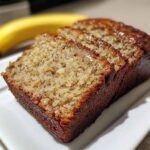
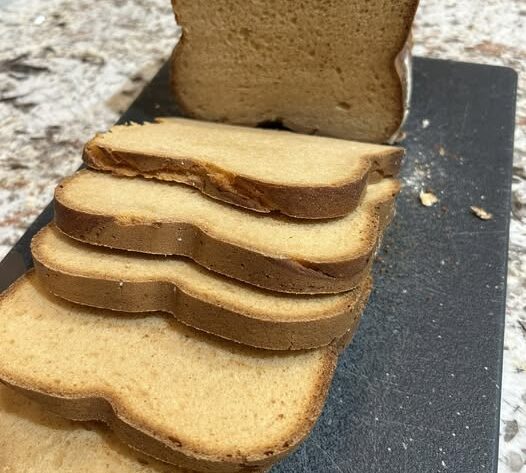
If you’ve been searching for a gluten-free bread recipe that’s soft, fluffy, and tastes like traditional homemade bread, this recipe is for you. Many gluten-free breads can be dense, crumbly, or dry, but this loaf bakes up with a tender crumb, a beautiful golden crust, and enough structure for sandwiches, toast, and everyday use.
This gluten-free bread is made with a quality gluten-free flour blend, yeast, and simple pantry ingredients. Unlike wheat bread, gluten-free bread batter is more like a thick cake batter than a kneadable dough, making it surprisingly easy to prepare. Whether you’re gluten-intolerant, have celiac disease, or simply want a reliable gluten-free loaf, this recipe delivers bakery-quality results at home.
Why You’ll Love This Recipe
- Completely gluten-free
- Soft and fluffy texture
- Perfect for sandwiches and toast
- Easy, no-knead method
- Freezes beautifully
- Stays fresh for several days
- Beginner-friendly
Preparation Time
- Prep Time: 15 minutes
- Rise Time: 45–60 minutes
- Bake Time: 45–50 minutes
- Total Time: Approximately 2 hours
Yield
- 1 loaf (12 slices)
Ingredients
Dry Ingredients
- 3 cups gluten-free all-purpose flour blend (with xanthan gum)
- 1 tablespoon instant yeast
- 2 tablespoons granulated sugar
- 1 teaspoon salt
Wet Ingredients
- 1¼ cups warm water (105–110°F / 40–43°C)
- 3 large eggs, room temperature
- ¼ cup vegetable oil or olive oil
- 1 teaspoon apple cider vinegar
Equipment Needed
- 9×5-inch loaf pan
- Mixing bowls
- Electric mixer or stand mixer
- Measuring cups and spoons
- Plastic wrap or kitchen towel
- Wire cooling rack
Instructions
Step 1: Prepare the Pan
Grease a 9×5-inch loaf pan thoroughly or line it with parchment paper.
Set aside.
Step 2: Activate the Ingredients
In a large mixing bowl combine:
- Gluten-free flour
- Instant yeast
- Sugar
- Salt
Whisk together until evenly distributed.
Step 3: Mix Wet Ingredients
In a separate bowl whisk together:
- Warm water
- Eggs
- Oil
- Apple cider vinegar
Ensure the water temperature is between:
105–110°F (40–43°C)
This temperature helps the yeast activate without killing it.
Step 4: Make the Dough
Pour the wet ingredients into the dry ingredients.
Using an electric mixer, beat on medium speed for 3–4 minutes.
Unlike traditional bread dough, gluten-free bread dough resembles a thick batter.
The extended mixing helps create structure and improves texture.
Step 5: Transfer to the Pan
Spread the batter evenly into the prepared loaf pan.
Use a spatula dipped in water to smooth the top.
Step 6: Let It Rise
Cover loosely with plastic wrap or a clean towel.
Allow the loaf to rise in a warm place for:
45–60 minutes
The batter should rise to just above the top of the pan.
Ideal rising temperature:
75–85°F (24–29°C)
Baking Instructions
Step 7: Preheat Oven
Preheat oven to:
375°F (190°C)
Step 8: Bake
Place the loaf on the center rack.
Bake for:
45–50 minutes at 375°F (190°C)
The bread is done when:
- The crust is golden brown
- Internal temperature reaches 205–210°F (96–99°C)
- The loaf sounds slightly hollow when tapped
Step 9: Cool Completely
Remove from the pan after 10 minutes.
Transfer to a wire rack and cool completely before slicing.
Allow at least:
1–2 hours cooling time
Cutting too soon may result in a gummy texture.
Tips for Perfect Gluten-Free Bread
Use a Quality Flour Blend
Choose a gluten-free all-purpose flour blend that already contains xanthan gum.
Measure Carefully
Gluten-free baking is more sensitive to ingredient ratios than traditional baking.
Use Room Temperature Eggs
Room-temperature ingredients help the batter rise more evenly.
Don’t Skip the Vinegar
Apple cider vinegar improves texture and supports yeast activity.
Cool Completely
Patience is important. The bread continues setting as it cools.
Flavor Variations
Honey Oat Bread
Add:
- 2 tablespoons honey
- ½ cup certified gluten-free oats
Herb Bread
Mix in:
- 1 teaspoon dried rosemary
- 1 teaspoon dried thyme
Garlic Bread Loaf
Add:
- 2 teaspoons garlic powder
- 1 tablespoon dried parsley
Seeded Bread
Sprinkle on top:
- Sesame seeds
- Sunflower seeds
- Pumpkin seeds
Cinnamon Raisin Bread
Add:
- 1 teaspoon cinnamon
- ½ cup raisins
Storage Instructions
Room Temperature
Store in an airtight container for up to 3 days.
Refrigerator
Store for up to 1 week.
Toast slices before serving for best texture.
Freezer
Slice the loaf before freezing.
Store in freezer bags for up to 3 months.
Thaw individual slices as needed.
Serving Suggestions
This gluten-free bread is excellent for:
- Sandwiches
- French toast
- Avocado toast
- Garlic bread
- Grilled cheese
- Breakfast toast with jam
- Bread pudding
Common Problems and Solutions
Bread Didn’t Rise
Possible causes:
- Expired yeast
- Water too hot
- Cold rising environment
Dense Texture
Possible causes:
- Under-mixing
- Too much flour
- Inaccurate measurements
Gummy Center
Possible causes:
- Underbaking
- Slicing while warm
Crumbly Bread
Possible causes:
- Flour blend lacks xanthan gum
- Insufficient moisture
Nutritional Information
Per Slice (Based on 12 slices)
- Calories: 165
- Protein: 4g
- Carbohydrates: 24g
- Fat: 6g
- Saturated Fat: 1g
- Cholesterol: 47mg
- Sodium: 220mg
- Fiber: 2g
- Sugar: 2g
- Calcium: 20mg
- Iron: 1mg
Nutrition values are approximate and vary by ingredients used.
Frequently Asked Questions
Can I make this dairy-free?
Yes. This recipe is naturally dairy-free as written.
Can I use active dry yeast?
Yes. Dissolve it in the warm water with the sugar and let it sit for 5–10 minutes before mixing.
Why is gluten-free dough so sticky?
Gluten-free bread dough is more like a batter than traditional dough. This is completely normal.
Can I make rolls instead of a loaf?
Absolutely. Divide the batter into a muffin tin or roll pan and bake for 20–25 minutes at 375°F (190°C).
Which flour blend works best?
Cup-for-cup gluten-free baking blends containing xanthan gum generally provide the most reliable results.