 admin1
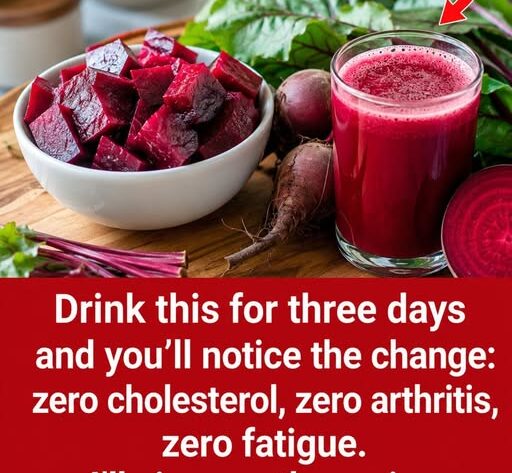
Drink it for three days and you’ll notice the change: zero cholesterol, zero arthritis, zero fatigue.” This kind of claim is common on social media, but it is not supported by scientific evidence. While beetroot juice is a nutritious beverage that may offer several health benefits, it cannot eliminate cholesterol, cure arthritis, or completely remove fatigue in just three days.
Here’s what research actually suggests about beetroot juice and how it may support your health.
What Makes Beetroot Juice Healthy?
Beetroot juice is naturally rich in nutrients, including:
- Dietary nitrates
- Folate (vitamin B9)
- Potassium
- Vitamin C (in smaller amounts)
- Manganese
- Antioxidants called betalains
These nutrients contribute to beetroot’s vibrant color and potential health benefits.
1. May Support Heart Health
One of the best-studied benefits of beetroot juice is its effect on blood vessels.
The natural nitrates in beetroot are converted by the body into nitric oxide, a molecule that helps relax and widen blood vessels. This may:
- Support healthy blood flow
- Help maintain healthy blood pressure in some people
- Improve circulation
However, beetroot juice is not a treatment for high cholesterol, and it should not replace medications or lifestyle changes recommended by your healthcare provider.
2. May Improve Exercise Performance
Research suggests beetroot juice may help improve endurance exercise by making muscles use oxygen more efficiently.
Athletes sometimes drink beetroot juice before activities such as:
- Running
- Cycling
- Rowing
- Swimming
The effects are generally modest and vary from person to person.
3. Rich in Antioxidants
Beetroot contains antioxidants, including betalains, which help protect cells from oxidative stress.
A diet rich in colorful fruits and vegetables, including beets, supports overall health.
4. May Help Reduce Fatigue During Exercise
Some people report feeling less tired during prolonged physical activity after drinking beetroot juice.
However, fatigue has many causes, including:
- Poor sleep
- Anemia
- Thyroid disorders
- Stress
- Infections
- Nutrient deficiencies
If you’re experiencing persistent fatigue, it’s important to consult a healthcare professional rather than relying on beetroot juice alone.
5. Supports a Healthy Diet
Beetroot juice can be part of a balanced eating plan because it provides:
- Vitamins
- Minerals
- Plant compounds
- Hydration
Pairing it with a diet rich in fruits, vegetables, whole grains, lean proteins, and healthy fats provides the greatest health benefits.
Can Beetroot Juice Lower Cholesterol?
Current research does not show that beetroot juice can reduce cholesterol to “zero.”
Healthy cholesterol levels are influenced by:
- Diet
- Exercise
- Genetics
- Body weight
- Smoking status
- Certain medical conditions
If you have high cholesterol, your healthcare provider may recommend dietary changes, increased physical activity, and, if necessary, cholesterol-lowering medications.
Can Beetroot Juice Cure Arthritis?
No.
There is no scientific evidence that beetroot juice cures arthritis or eliminates joint pain.
Its antioxidants may contribute to an overall healthy diet, but arthritis is a complex medical condition that often requires a combination of treatments such as exercise, weight management, medications, and physical therapy.
Can Beetroot Juice Eliminate Fatigue?
Not generally.
If fatigue is related to dehydration or poor nutrition, improving your overall diet and hydration may help. However, fatigue can also result from many underlying health conditions that require medical evaluation.
How to Make Fresh Beetroot Juice
Ingredients
- 2 medium beets, peeled and chopped
- 1 apple (optional, for sweetness)
- 1 carrot (optional)
- ½ lemon, juiced
- 1-inch piece of fresh ginger (optional)
- Water, as needed
Instructions
- Wash and prepare all ingredients.
- Blend or juice the beets with the other ingredients.
- If blending, strain through a fine mesh sieve if desired.
- Serve chilled.
Tips for Enjoying Beetroot Juice
- Drink it fresh for the best flavor.
- Pair it with a balanced breakfast or snack.
- If you’re new to beetroot juice, start with a small serving.
- Eating whole beets provides fiber that is lost during juicing.
Possible Side Effects
Beetroot juice is safe for most people, but you may notice:
- Pink or red urine (beeturia), which is harmless.
- Pink or red stools.
- Mild digestive upset if consumed in large amounts.
People with a history of certain kidney stones may need to limit high-oxalate foods like beets. If you have kidney disease or other medical conditions, ask your healthcare provider whether beetroot is appropriate for you.
Frequently Asked Questions
How long does it take to notice benefits?
Some studies suggest blood pressure or exercise-related effects from dietary nitrates may occur within hours of consumption, but lasting health benefits depend on regular healthy lifestyle habits—not just a few days of drinking beetroot juice.
Can I drink beetroot juice every day?
For most healthy adults, moderate amounts can be part of a balanced diet. If you have kidney disease, low blood pressure, or concerns about oxalates, consult your healthcare provider.
Is beetroot juice better than whole beets?
Whole beets provide more fiber, while juice offers a concentrated source of dietary nitrates. Both can be part of a healthy diet.