 admin1
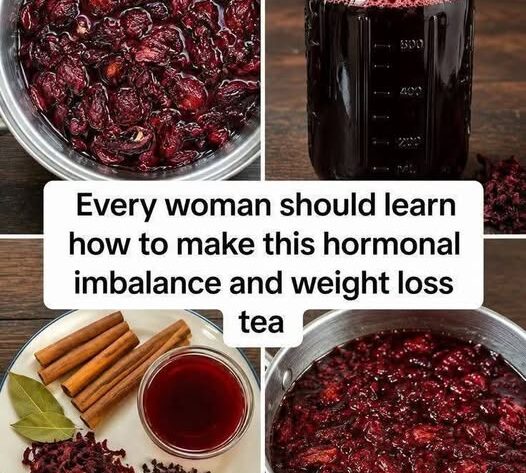
This Anti-Inflammatory Hibiscus Drink is an easy homemade beverage made with dried hibiscus flowers, fresh water, and a few optional natural flavorings.
Hibiscus tea is popular around the world for its tart, cranberry-like taste and its naturally vibrant color. It can be enjoyed hot on cool mornings or served over ice for a refreshing afternoon drink. Adding fresh ginger, lemon, or mint creates extra layers of flavor without requiring complicated ingredients.
Hibiscus also contains plant compounds called anthocyanins and other polyphenols, which have antioxidant activity. Early research suggests that hibiscus tea may help support healthy blood pressure in some adults, although results vary and it should not be treated as a cure for inflammation or any medical condition.
The recipe below is simple, naturally caffeine-free when made from pure hibiscus flowers, and easy to prepare without added sugar.
Recipe Details
Prep time
5 minutes
Steeping time
10–15 minutes
Yield
2 servings
Serving temperature
Hot or chilled
Total time: approximately 15–20 minutes
Ingredients
You only need a few ingredients to make this flavorful herbal drink.
- 2 tablespoons dried hibiscus flowers: Use food-grade hibiscus, also called roselle (Hibiscus sabdariffa).
- 2 cups (480 ml) water: The base of the tea.
- 2–3 thin slices fresh ginger: Optional, for a warming, spicy flavor.
- 1–2 teaspoons fresh lemon juice: Adds brightness and balances the tartness.
- 4–5 fresh mint leaves: Optional, for a refreshing aroma.
- Honey or another sweetener, to taste: Entirely optional. Leave it out for a no-added-sugar drink.
Important: Use edible hibiscus flowers sold for tea or culinary use, rather than ornamental flowers that may have been treated with pesticides.
How to Make Anti-Inflammatory Hibiscus Drink
Step 1: Heat the water
Pour 2 cups of water into a small saucepan and bring it to a boil. Turn off the heat once the water is boiling.
Step 2: Add hibiscus and ginger
Add the dried hibiscus flowers to the hot water. If using ginger, add the slices now.
Stir gently to ensure the flowers are submerged. The water will gradually turn a beautiful deep red as the hibiscus releases its color and flavor.
Step 3: Let the tea steep
Cover the saucepan and allow the mixture to steep for 10–15 minutes.
For a lighter drink, steep for about 5–8 minutes. For a stronger, more tart flavor, steep a little longer. Avoid making it excessively concentrated, particularly if you are new to hibiscus tea.
Step 4: Strain the drink
Pour the tea through a fine-mesh strainer into a heat-safe jug or two cups. Discard the used flowers and ginger slices.
Step 5: Add lemon and mint
Stir in the lemon juice and add the mint leaves. Taste the tea before adding any sweetener because hibiscus naturally has a tangy flavor.
Step 6: Serve hot or cold
For a warm herbal drink, serve immediately once it has cooled to a comfortable drinking temperature.
For iced hibiscus tea, let it cool, refrigerate it, and serve over ice with lemon slices and fresh mint.
Potential Benefits of Hibiscus Tea
Hibiscus tea can be a flavorful addition to a balanced diet. However, it is important to separate the potential benefits supported by research from claims that have not been established in humans.
1. Contains antioxidant plant compounds
Hibiscus contains anthocyanins and other polyphenols. These compounds have antioxidant activity in laboratory studies. Antioxidants help protect cells from oxidative damage, but drinking hibiscus tea has not been proven to treat chronic inflammatory diseases.
2. May help support healthy blood pressure
One of the better-studied potential benefits of hibiscus tea is its effect on blood pressure. A systematic review and meta-analysis found that hibiscus preparations may modestly reduce blood pressure in some adults, although study results varied and more research is needed.
Hibiscus tea should be considered a possible dietary addition, not a replacement for prescribed blood pressure medicine.
3. Offers a refreshing alternative to sugary drinks
Unsweetened hibiscus tea is naturally low in calories. Choosing it instead of sugary soft drinks may help reduce added sugar intake, depending on what it replaces.
4. Helps you stay hydrated
The water in hibiscus tea contributes to daily fluid intake. You can enjoy it hot or cold, making it an appealing alternative to plain water when you want something with more flavor.
5. Fits into a balanced wellness routine
A healthy eating pattern that includes fruits, vegetables, whole grains, nuts, and other nutrient-rich foods can support overall health. Hibiscus tea can fit into that pattern, but no single drink can eliminate inflammation throughout the body.
Tips for the Best Hibiscus Drink
- Start with a mild brew: Use less hibiscus or shorten the steeping time if the flavor is too tart.
- Choose unsweetened ingredients: Fresh lemon and mint add flavor without requiring sugar.
- Make it ahead: Brew a batch and refrigerate it in a clean, covered container.
- Experiment with flavor: Try a small cinnamon stick, orange peel, or a few slices of fresh ginger.
- Avoid unnecessary concentrates: A strong homemade tea is not automatically more beneficial than a mild one.
Storage Instructions
Refrigerator: Cool the tea promptly, transfer it to a clean, covered container, and refrigerate. Use within 3 days for best quality.
Freezing: Freeze the cooled tea in ice-cube trays for up to 2 months. Add the cubes to water for a lightly flavored drink, or thaw them in the refrigerator.
Serving tip: If preparing iced tea, refrigerate the brewed tea before adding ice so that the flavor does not become too diluted.
Nutrition Information
Approximate values for one serving, assuming the recipe makes two servings and no sweetener is added:
| Nutrient | Per serving |
|---|---|
| Calories | 2–5 kcal |
| Carbohydrates | Less than 1 g |
| Protein | 0 g |
| Fat | 0 g |
| Added sugar | 0 g |
| Caffeine | 0 mg |
Values can vary depending on the quantity of hibiscus and lemon used. This estimate assumes pure hibiscus flowers without black tea, green tea, or other caffeinated ingredients.
Important Safety Information
Hibiscus tea is not suitable for everyone in every circumstance.
- Low blood pressure: Hibiscus may lower blood pressure, so people who already have low readings should be cautious.
- Blood pressure medication: If you take medication for high blood pressure, ask your doctor or pharmacist before drinking hibiscus regularly because the effects may add together.
- Diabetes medication: If you take glucose-lowering medicine, discuss regular medicinal use with your healthcare professional.
- Pregnancy and breastfeeding: Safety has not been adequately established. It is best to avoid medicinal amounts unless your healthcare professional advises otherwise. Egyptian Drug Authority+1
- Existing medical conditions or regular medicines: Ask a healthcare professional about possible interactions before using hibiscus as a daily therapeutic drink.
Do not stop or change prescribed medication in favor of an herbal drink. If you have persistent joint pain, swelling, fever, or other symptoms that concern you, seek appropriate medical advice.
Frequently Asked Questions
Can I drink hibiscus tea every day?
Some adults drink hibiscus tea regularly as a beverage, but the ideal amount for health benefits has not been firmly established. If you have a medical condition or take medication, check with a healthcare professional before making it a daily habit.
Is hibiscus tea naturally caffeine-free?
Yes, tea made solely from hibiscus flowers is naturally caffeine-free. Check blended tea labels, as some products contain black or green tea.
Can I drink hibiscus tea without sugar?
Absolutely. Hibiscus has a naturally tart, fruity taste. Lemon, mint, ginger, or orange peel can add flavor without sugar.
Is hibiscus tea a proven anti-inflammatory treatment?
No. Hibiscus contains antioxidant compounds, but evidence is not sufficient to conclude that drinking it treats inflammation or inflammatory diseases in humans. It is best enjoyed as a beverage rather than a medical treatment.
Is it better to drink hibiscus tea hot or cold?
Both are fine. Hot tea emphasizes its floral aroma, while chilled tea is refreshing and makes a good alternative to sweetened drinks. Choose whichever you enjoy most.