 admin1
There’s something comforting about a vegetable casserole coming out of the oven. The kitchen fills with the aroma of tender vegetables, herbs, and melted cheese, and everyone starts wandering in to see what’s cooking.
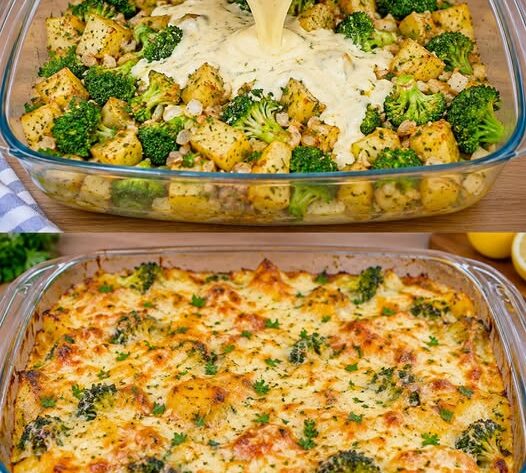
This Vegetable Casserole is the kind of recipe that feels right at home on a busy weeknight or a holiday table. It brings together colorful vegetables in a creamy, savory sauce, topped with golden cheese and a crunchy breadcrumb finish. It’s simple, flexible, and a delicious way to make everyday vegetables feel special.
Whether you’re serving it alongside roasted chicken, bringing it to a potluck, or making it the star of a meatless dinner, this casserole is hearty, satisfying, and easy to customize.
Why You’ll Love This Vegetable Casserole
- A delicious way to enjoy vegetables: A colorful mix makes every serving appealing.
- Comforting and creamy: The sauce brings everything together without overpowering the vegetables.
- Easy to customize: Use your favorite fresh or frozen vegetables.
- Great for family meals: It’s easy to prepare ahead and serve straight from the baking dish.
- Perfect as a side or main: Pair it with a protein, or serve it with bread or a salad for a simple vegetarian meal.
Vegetable Casserole Recipe
Recipe Details
- Prep Time: 20 minutes
- Cook Time: 30–35 minutes
- Total Time: About 55 minutes
- Servings: 6
- Oven Temperature: 375°F (190°C)
Ingredients
For the Casserole
- 2 cups broccoli florets
- 2 cups cauliflower florets
- 1 cup sliced carrots
- 1 cup green beans, trimmed and cut
- 1 cup frozen peas
- 1 tablespoon olive oil or butter
- 1 small onion, finely chopped
- 2 cloves garlic, minced
- 2 tablespoons all-purpose flour
- 1 cup milk
- ½ cup vegetable broth
- ½ cup sour cream or plain Greek yogurt
- 1 teaspoon dried thyme
- ½ teaspoon paprika
- Salt and black pepper, to taste
- 1 ½ cups shredded cheddar cheese, divided
For the Topping
- ½ cup breadcrumbs
- 1 tablespoon melted butter
- 2 tablespoons grated Parmesan cheese, optional
Instructions
1. Prepare the vegetables
Preheat your oven to 375°F (190°C). Lightly grease a 9-by-13-inch baking dish.
Bring a large pot of water to a boil. Add the broccoli, cauliflower, carrots, and green beans. Cook for 3–4 minutes, just until they begin to soften.
Drain well and transfer the vegetables to a large bowl. Add the frozen peas. They can go straight into the mixture without being thawed first.
Story-style tip: The vegetables should still have a little firmness at this stage. They’ll continue cooking in the oven, so blanching them briefly helps prevent a soft, mushy casserole.
2. Make the creamy sauce
Heat the olive oil or butter in a saucepan over medium heat. Add the chopped onion and cook for 3–4 minutes until softened.
Stir in the garlic and cook for another 30 seconds, just until fragrant.
Sprinkle in the flour and stir continuously for about 1 minute. Slowly pour in the milk and vegetable broth, whisking as you go to keep the sauce smooth.
Cook for 3–5 minutes, stirring often, until the sauce thickens slightly.
3. Add flavor and cheese
Stir in the sour cream or Greek yogurt, thyme, paprika, salt, and black pepper.
Remove the saucepan from the heat. Add 1 cup of shredded cheddar cheese and stir until melted into the sauce.
The sauce should be creamy and pourable. If it seems too thick, add a splash of milk or broth.
4. Combine everything
Pour the creamy sauce over the vegetables. Gently stir until everything is evenly coated.
Transfer the mixture to the prepared baking dish and spread it into an even layer.
Sprinkle the remaining ½ cup cheddar cheese over the top.
5. Prepare the crunchy topping
In a small bowl, combine the breadcrumbs with the melted butter and Parmesan cheese, if using.
Sprinkle the breadcrumb mixture evenly over the casserole. This creates a golden, crunchy topping that contrasts beautifully with the tender vegetables underneath.
6. Bake until golden
Bake uncovered for 30–35 minutes, or until the casserole is bubbling around the edges and the topping is golden brown.
If the topping starts browning too quickly, loosely cover the dish with foil for the remaining baking time.
Let the casserole rest for 5–10 minutes before serving. This allows the sauce to settle and makes it easier to scoop.
A Few Helpful Kitchen Tips
Keep the vegetables evenly sized
Cut vegetables into similar-sized pieces so they cook evenly. Smaller pieces also make the casserole easier to serve.
Drain the vegetables well
Extra water can thin the sauce and make the casserole watery. After blanching, let the vegetables drain thoroughly.
Use freshly shredded cheese
Freshly shredded cheddar usually melts more smoothly than pre-shredded cheese, which may contain anti-caking ingredients.
Make the topping extra crunchy
For a crispier finish, use panko breadcrumbs instead of regular breadcrumbs. You can also add a handful of crushed crackers.
Easy Variations
Add mushrooms
Sauté 1 cup sliced mushrooms with the onion before making the sauce. They add a savory flavor and a hearty texture.
Make it gluten-free
Use a gluten-free flour blend to thicken the sauce and gluten-free breadcrumbs for the topping. Check that your broth and other packaged ingredients are also gluten-free.
Add potatoes
Stir in 1–2 cups of cooked, diced potatoes for a more filling casserole. Make sure the potatoes are cooked before combining them with the sauce.
Make it vegan
Use plant-based butter, unsweetened plant milk, dairy-free sour cream, and vegan cheese. Choose a vegetable broth with a flavor you enjoy.
Add more herbs
Try parsley, rosemary, oregano, or a little Italian seasoning. Fresh herbs can be added after baking for a bright finish.
What to Serve with Vegetable Casserole
This casserole pairs well with:
- Roasted chicken or turkey
- Baked fish
- Grilled tofu or chickpeas
- A fresh green salad
- Garlic bread or dinner rolls
- Rice, quinoa, or baked potatoes
For a meatless meal, serve it with crusty bread and a simple salad. The creamy vegetables and crisp topping make it satisfying on their own.
Make-Ahead and Storage Instructions
Make ahead
Prepare the casserole up to the breadcrumb topping. Cover and refrigerate for up to 24 hours.
When ready to bake, add the topping and bake until hot and bubbling. If baking straight from the refrigerator, allow extra time in the oven.
Store leftovers
Transfer cooled leftovers to an airtight container and refrigerate for up to 3–4 days.
Reheat
Reheat individual portions in the microwave, or place the casserole in a 350°F (175°C) oven until warmed through. Cover loosely with foil to keep it from drying out, then uncover for the last few minutes to refresh the topping.
Freeze
For best texture, freeze the casserole before baking and without the breadcrumb topping. Thaw overnight in the refrigerator, add the topping, and bake until heated through.
Frequently Asked Questions
Can I use frozen vegetables?
Yes. Frozen vegetables are convenient and work well. Thaw and drain them first if they release a lot of moisture, and avoid overcooking them before assembling the casserole.
How do I prevent a watery casserole?
Blanch the vegetables briefly, drain them thoroughly, and make sure the sauce has thickened before mixing everything together.
Can I make this without cheese?
Yes. You can omit the cheese and add extra herbs, nutritional yeast, or a dairy-free cheese alternative. The flavor and texture will be slightly different but still delicious.
Can I use different vegetables?
Absolutely. Zucchini, corn, bell peppers, spinach, asparagus, and mushrooms can all work. Choose vegetables with similar cooking times, and cook watery vegetables briefly before adding them.
Nutrition Information
Estimated per serving, based on 6 servings and the ingredients listed. Values vary with brands and substitutions.
| Nutrient | Approximate Amount |
|---|---|
| Calories | 285 |
| Carbohydrates | 25 g |
| Protein | 12 g |
| Fat | 16 g |
| Saturated Fat | 8 g |
| Fiber | 5 g |
| Sugar | 8 g |
| Sodium | 430 mg |
The Kind of Casserole Everyone Comes Back For
This Vegetable Casserole is warm, creamy, colorful, and topped with just the right amount of crunch. It turns a simple assortment of vegetables into a comforting dish that feels welcome at family dinners, potlucks, and holiday gatherings.
Keep the recipe flexible, use the vegetables you have on hand, and make it your own. Sometimes the best family recipes are the ones that begin with a few everyday ingredients and end with everyone asking for another serving.