 admin1
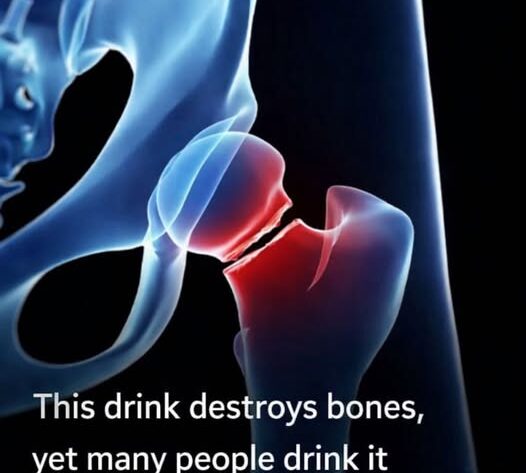
What you drink regularly can be an important part of your overall diet, and some beverages may be less supportive of bone health than others. While no single drink is likely to “destroy” your bones, frequently consuming beverages high in added sugar, alcohol, or excessive caffeine can make it harder to maintain a balanced diet that supplies the nutrients your bones need.
Bones are living tissue. They continually break down and rebuild throughout life, and maintaining bone strength depends on adequate calcium, vitamin D, protein, magnesium, physical activity, and other nutrients. Certain beverages can indirectly work against these habits when consumed frequently or in large quantities.
Here are five drinks worth limiting if you’re trying to protect your bones as you age.
1. Sugary Soft Drinks
Regular soda is one of the first beverages to reconsider when improving your diet.
Cola and other sugar-sweetened soft drinks can contain substantial amounts of added sugar while providing very little calcium, vitamin D, protein, or other nutrients needed for a nutritious diet.
The concern isn’t that one soda suddenly causes bone loss. Rather, regularly replacing nutritious beverages such as milk or fortified alternatives with sugary drinks can reduce the overall nutritional quality of your diet.
Some cola beverages also contain caffeine, although the amount varies by product.
Better Choices
Instead of making soda your everyday beverage, choose:
- Water
- Sparkling water
- Unsweetened tea
- Low-fat or fat-free milk
- Fortified unsweetened plant milk
If you enjoy soda, having it occasionally rather than several times a day is a reasonable approach.
2. Excessive Alcohol
Alcohol deserves particular attention when discussing long-term bone health.
Heavy alcohol consumption is associated with poorer bone health and an increased risk of fractures. Excessive alcohol can also interfere with nutrition and may affect the body’s processes involved in maintaining healthy bones.
The biggest concern is heavy or chronic drinking, rather than an occasional drink.
Alcohol can also contribute to falls and injuries, which is especially important for older adults who may already have a higher risk of fractures.
A Better Approach
If you drink alcohol, moderation is important. People who don’t drink don’t need to start drinking for potential health benefits.
For anyone concerned about bone health, particularly people at increased risk of osteoporosis, discussing alcohol consumption with a healthcare professional can be worthwhile.
3. Energy Drinks
Energy drinks can combine significant amounts of caffeine with large quantities of added sugar.
The problem isn’t necessarily caffeine itself. Moderate caffeine consumption can fit into a healthy diet. However, consuming very large amounts of caffeine may become problematic, particularly if it replaces calcium-rich beverages or contributes to an otherwise unbalanced diet.
Energy drinks may also contain other stimulants and ingredients, making them unnecessary for most people.
Better Alternatives
For everyday hydration, choose:
- Water
- Sparkling water
- Milk
- Fortified plant-based milk
- Unsweetened tea
If you need an energy boost, adequate sleep, regular meals, hydration, and physical activity are generally better foundations than relying heavily on stimulant beverages.
4. Excessive Caffeinated Coffee
Coffee doesn’t automatically mean poor bone health.
In fact, moderate coffee consumption can be part of a healthy diet. The concern is excessive caffeine intake, particularly when coffee replaces nutrient-rich beverages or when large amounts of sugar and high-calorie creamers are added.
Some research has associated very high caffeine intake with modest effects on calcium balance, although the overall impact depends heavily on the rest of the diet.
The good news is that you don’t necessarily need to give up your morning coffee.
Make Your Coffee More Bone-Friendly
Try:
- Keeping caffeine intake moderate
- Adding milk for calcium and protein
- Choosing unsweetened or lightly sweetened coffee
- Avoiding excessive sugary creamers
- Drinking water throughout the day
For most people, the goal should be moderation rather than eliminating coffee entirely.
5. High-Sugar Fruit Drinks and Sweetened Juices
Fruit juice can provide vitamins and beneficial plant compounds, but many commercial fruit drinks contain considerable amounts of added sugar.
Fruit-flavored drinks, juice cocktails, sweetened iced teas, and similar beverages may provide fewer nutrients than whole fruit while adding significant amounts of sugar.
Even 100% fruit juice is best consumed in reasonable portions because it contains less fiber than whole fruit.
Better Options
Choose:
- Whole fruit
- Water infused with berries or citrus
- Unsweetened sparkling water
- Unsweetened tea
- Small servings of 100% fruit juice
Whole fruits are particularly useful because they provide fiber along with vitamins, minerals, and other beneficial plant compounds.
What Should You Drink for Strong Bones?
Rather than focusing only on drinks to avoid, it’s more useful to build a beverage routine that supports overall nutrition.
Water
Water should be your primary source of hydration. It doesn’t provide calcium or vitamin D, but staying hydrated is essential for overall health.
Milk
Milk naturally provides calcium, protein, and other nutrients important for bone health.
Depending on your dietary needs, low-fat or fat-free milk can be a convenient option.
Fortified Plant Milk
Fortified soy, almond, oat, or other plant-based beverages can provide calcium and vitamin D.
However, nutritional content varies substantially between brands, so check the nutrition label.
Unsweetened Tea
Tea can be a low-calorie alternative to sugary beverages. Just remember that some teas contain caffeine.
Calcium and Vitamin D Matter More Than a Single Drink
One of the biggest misconceptions about bone health is that avoiding one particular beverage is enough to prevent bone problems.
Bone health is influenced by many factors.
Important nutrients include:
Calcium
Calcium is a major structural component of bones.
Good sources include:
- Milk
- Yogurt
- Cheese
- Calcium-fortified plant milk
- Tofu made with calcium sulfate
- Canned fish with edible bones
- Some leafy green vegetables
Vitamin D
Vitamin D helps the body absorb calcium.
Sources include:
- Fatty fish
- Egg yolks
- Fortified foods
- Some mushrooms
- Sunlight exposure
Vitamin D needs vary among individuals, and some people may require supplementation under medical guidance.
Protein
Adequate protein supports bones as well as muscles. Good sources include eggs, dairy products, fish, poultry, beans, lentils, tofu, nuts, and seeds.
Don’t Forget Exercise
Strong bones require more than good nutrition.
Weight-bearing and resistance exercises can help maintain bone and muscle strength.
Examples include:
- Walking
- Hiking
- Dancing
- Stair climbing
- Resistance training
- Bodyweight exercises
Balance exercises are also valuable, particularly for older adults, because reducing falls can help reduce fracture risk.
If you’re new to exercise or have existing health problems, speak with a healthcare professional before beginning an intensive program.
The Bottom Line
You don’t have to completely eliminate every beverage on this list to support healthy bones.
The bigger picture is frequency, quantity, and your overall diet.
The drinks most worth limiting are:
- Sugary soft drinks
- Excessive alcohol
- Energy drinks
- Excessive caffeinated coffee
- High-sugar fruit drinks and sweetened juices
A healthy bone-supporting beverage routine can be surprisingly simple: make water your primary drink, include calcium- and vitamin-D-fortified beverages when appropriate, keep sugary drinks occasional, and moderate alcohol and excessive caffeine.
Most importantly, don’t let fear of a particular drink distract from the fundamentals of bone health: adequate calcium and vitamin D, sufficient protein, regular weight-bearing exercise, healthy body weight, and avoiding smoking.
Important: This article is for general educational purposes and isn’t a diagnosis or treatment plan. If you’re concerned about osteoporosis, recurrent fractures, or your calcium or vitamin D intake, speak with your doctor or a registered dietitian.