 admin1
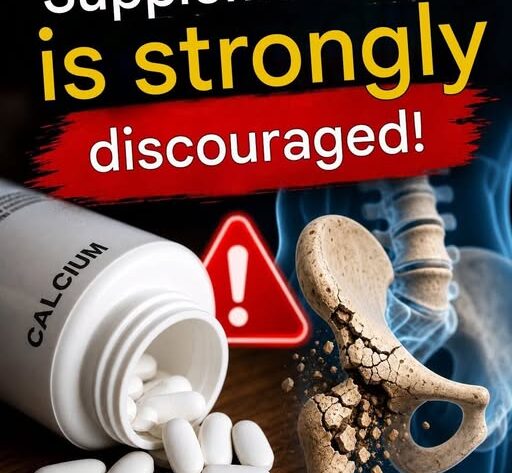
When people hear the phrase “supplementation is strongly discouraged,” it can sound alarming. Does it mean vitamins and minerals are dangerous? Should everyone stop taking supplements?
Not necessarily.
The more accurate message is that supplements should not automatically be used when there is no demonstrated need. For many healthy people, nutrients are best obtained from a varied diet. Supplements can be useful in specific situations, such as a confirmed deficiency, pregnancy, certain medical conditions, or when a healthcare professional recommends them.
The key is to avoid treating supplements as harmless replacements for healthy food or medical care.
Why Are Supplements Sometimes Discouraged?
Unlike foods, supplements can deliver concentrated amounts of nutrients.
For example, someone may consume a normal amount of vitamin C from fruits and vegetables but then take a high-dose vitamin C supplement on top of it.
The body doesn’t necessarily benefit from increasingly large doses.
Some vitamins and minerals can cause problems when consumed in excessive amounts, particularly over long periods.
Potential concerns can include:
- Excessive nutrient intake
- Medication interactions
- Stomach upset
- Kidney or liver problems in certain circumstances
- Accidental overdosing
- Delayed diagnosis or treatment
- Unnecessary expense
This is why more isn’t always better.
Food First Is Usually the Best Approach
A balanced diet provides much more than isolated vitamins.
Whole foods contain combinations of:
- Vitamins
- Minerals
- Protein
- Fiber
- Healthy fats
- Carbohydrates
- Antioxidants
- Other naturally occurring compounds
For example, an orange doesn’t just provide vitamin C. It also contains water, fiber, folate, potassium, and plant compounds.
Similarly, nuts provide protein, unsaturated fats, minerals, and fiber.
This is one reason nutrition experts generally emphasize a varied diet rather than relying heavily on pills.
When Supplements May Be Appropriate
There are situations where supplementation can be useful or medically necessary.
Documented Nutrient Deficiency
If blood testing or clinical evaluation confirms a deficiency, a healthcare professional may recommend supplementation.
Pregnancy
Pregnancy increases nutritional requirements for certain nutrients. Prenatal supplements are commonly recommended, but the appropriate product and dosage should be discussed with a healthcare professional.
Certain Medical Conditions
Some digestive, kidney, liver, or other medical conditions can affect nutrient absorption or requirements.
Restricted Diets
People following highly restrictive diets may have difficulty obtaining certain nutrients from food alone.
Medications
Some medications can affect nutrient levels or absorption. In these situations, supplementation may sometimes be recommended.
Vitamin D Is a Good Example
Vitamin D is often discussed because many people have inadequate levels.
Vitamin D helps regulate calcium absorption and plays an important role in bone health.
However, taking very large doses without medical guidance isn’t automatically beneficial.
Excessive vitamin D supplementation can lead to abnormally high calcium levels and potentially cause serious health problems.
If you suspect a vitamin D deficiency, speak with a healthcare professional about whether testing or supplementation is appropriate.
Calcium Supplements Aren’t Automatically Necessary
Calcium is essential for maintaining bones and teeth.
But many people can obtain adequate calcium through food.
Useful sources include:
- Milk
- Yogurt
- Cheese
- Calcium-fortified plant beverages
- Calcium-set tofu
- Sardines with bones
- Some leafy green vegetables
If your diet already provides sufficient calcium, adding a large calcium supplement may not provide additional benefit.
People with specific dietary limitations or medical conditions may have different requirements.
Beware of “Mega-Dose” Supplements
One of the biggest problems with supplement marketing is the idea that extremely high doses must be more powerful.
That’s not how nutrition works.
Some nutrients have an established upper intake level, meaning that consistently consuming more than a certain amount can increase the risk of adverse effects.
This is particularly important with nutrients such as:
- Vitamin A
- Vitamin D
- Vitamin E
- Vitamin B6
- Iron
- Zinc
- Selenium
The appropriate amount depends on the nutrient, age, sex, health status, and individual circumstances.
Natural Doesn’t Mean Risk-Free
A common misconception is:
“If it’s natural, it must be safe.”
That’s not necessarily true.
Herbal products can contain biologically active substances and may interact with prescription medications.
Some supplements can affect:
- Blood clotting
- Blood pressure
- Blood sugar
- Heart rhythm
- Liver enzymes
- Medication metabolism
For this reason, always tell your doctor or pharmacist about supplements you’re taking.
Supplements Shouldn’t Replace a Healthy Diet
A multivitamin cannot compensate for a diet dominated by:
- Sugary drinks
- Highly processed foods
- Refined carbohydrates
- Excessive alcohol
- Large amounts of saturated fat
Likewise, a supplement cannot replace adequate sleep, physical activity, or medical treatment.
Think of supplements as potentially filling a specific nutritional gap, not as a shortcut to better health.
How to Decide Whether You Need a Supplement
Before purchasing a supplement, ask yourself:
1. Why am I taking it?
Do you have a confirmed deficiency, or are you taking it because an advertisement promised a dramatic benefit?
2. Is there evidence it helps?
Look for reliable clinical evidence rather than testimonials or social-media claims.
3. What dose do I actually need?
Avoid automatically choosing the highest-strength product.
4. Could it interact with my medications?
Ask a doctor or pharmacist if you’re uncertain.
5. Can I get the nutrient from food?
If yes, improving your diet may be the simplest option.
A Better Daily Nutrition Strategy
Instead of starting the day with a handful of supplements, focus on building balanced meals.
Breakfast
Try:
- Oatmeal
- Berries
- Greek yogurt
- Nuts or seeds
Lunch
Consider:
- Grilled chicken or beans
- Mixed vegetables
- Whole grains
- Olive oil dressing
Snack
Choose:
- Fresh fruit
- Plain yogurt
- A small handful of nuts
Dinner
Include:
- Fish, eggs, poultry, beans, or tofu
- Plenty of vegetables
- A high-fiber carbohydrate
This approach naturally provides a wide range of nutrients.
What About Supplements for Joint Pain?
Supplements marketed for joint health are particularly common.
Products may contain:
- Glucosamine
- Chondroitin
- Collagen
- Turmeric
- MSM
- Fish oil
Evidence varies considerably between products and conditions.
Some people report improvements in symptoms, while others experience little or no benefit.
Most importantly, these supplements should not be described as treatments that rebuild cartilage overnight or cure arthritis.
If you have persistent joint pain, identifying the underlying cause is more important than simply taking a supplement.
What About Supplements for Weight Loss?
Be particularly cautious with products marketed as:
- Fat burners
- Detox pills
- Appetite suppressants
- Metabolism boosters
- Rapid weight-loss supplements
Claims such as “lose 10 pounds in one week” or “melt belly fat naturally” should be treated skeptically.
Sustainable weight management is generally based on nutrition, physical activity, sleep, behavior changes, and—when appropriate—evidence-based medical treatment.
How to Choose a Supplement Safely
If a healthcare professional recommends supplementation, consider the following:
- Check the active ingredients.
- Follow the recommended dosage.
- Avoid taking multiple products containing the same nutrient.
- Check expiration dates.
- Store supplements away from children.
- Don’t assume “more” is better.
- Tell your healthcare professional what you’re taking.
It’s also worth remembering that supplements can vary in quality, and some products may not contain exactly what consumers expect.
Frequently Asked Questions
Should everyone stop taking supplements?
No. Some people genuinely need supplements. The important point is that supplementation should be based on individual nutritional needs rather than unnecessary high-dose use.
Are multivitamins dangerous?
A standard multivitamin taken according to its directions is generally different from taking large doses of individual nutrients. However, even multivitamins aren’t appropriate for everyone, and they can interact with certain medications or contribute to excessive intake when combined with other products.
Is it better to get vitamins from food?
For most nutrients and most healthy people, food is an excellent first choice because it provides a combination of nutrients and other beneficial compounds.
Can I take several supplements together?
Don’t assume that combining supplements is safe. Multiple products may contain overlapping ingredients and can push total intake above recommended levels.
What should I do if I think I’m deficient?
Speak with a healthcare professional. Depending on your symptoms and risk factors, they may recommend dietary changes, testing, or supplementation.