 admin1
If you are looking for a simple way to add more nutrient-rich foods to your routine, papaya seeds are an interesting ingredient worth exploring. Often discarded when the fruit is eaten, the small black seeds have a peppery, slightly bitter flavor and have been used traditionally in various food and wellness practices.
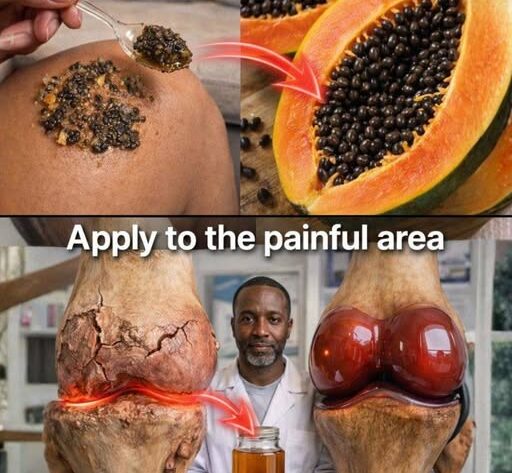
Papaya seeds are sometimes promoted online as a natural remedy for knee pain, back discomfort, arthritis, and spinal problems. However, it is important to separate traditional use from proven medical treatment. Current research does not establish papaya seeds as a treatment or cure for arthritis or chronic joint pain. A 2025 review of Carica papaya found promising anti-inflammatory and anti-arthritic activity primarily in laboratory and animal research and emphasized that more clinical studies are needed before therapeutic claims can be made.
That said, if you enjoy papaya, a small amount of its seeds can be incorporated into a simple homemade preparation. Here’s a practical recipe and everything you should know before trying it.
What Makes Papaya Seeds Interesting?
Papaya seeds contain various plant compounds and have a distinctive spicy flavor that some people compare with black pepper.
Research into Carica papaya has investigated compounds in the fruit, leaves, and seeds for antioxidant and other biological activities. However, much of the evidence surrounding medicinal effects remains preliminary.
This means papaya seeds are best viewed as a food ingredient rather than a replacement for medical treatment.
If your knees, back, or spine hurt regularly, the underlying cause could be osteoarthritis, muscle strain, an injury, nerve irritation, osteoporosis, inflammatory arthritis, or another condition. Identifying that cause is much more important than relying on one home remedy.
Can Papaya Seeds Help Joint Comfort?
This is where it’s important to keep expectations realistic.
Papaya and its plant compounds have demonstrated potentially interesting anti-inflammatory and antioxidant effects in laboratory and animal studies. However, evidence that eating papaya seeds specifically relieves human joint pain is limited.
Therefore, it would be inaccurate to promise that papaya seeds will:
- Cure arthritis
- Repair damaged cartilage
- Reverse spinal problems
- Eliminate knee pain
- Replace pain medication
- Heal osteoporosis
Instead, think of this recipe as a food-based addition to a balanced lifestyle.
Simple Papaya Seed Wellness Recipe
This preparation combines fresh papaya with a small quantity of its seeds. The fruit helps balance the seeds’ naturally bitter, peppery flavor.
Ingredients
- 1 cup ripe papaya, cubed
- ½ teaspoon fresh papaya seeds, thoroughly washed
- ½ cup plain yogurt or unsweetened yogurt
- ½ cup water or milk
- ½ teaspoon fresh ginger, grated
- 1 teaspoon fresh lemon juice
- ½ teaspoon honey, optional
- A few ice cubes, optional
Preparation Time
10 minutes
Total Time
10 minutes
Servings
1–2 servings
Equipment
- Blender
- Measuring spoons
- Knife
- Cutting board
- Glass
How to Make It
Step 1: Prepare the Papaya
Cut a ripe papaya in half and scoop out the seeds.
Remove the fruit from the skin and cut it into small cubes.
Reserve only a small amount of the seeds for this recipe.
Step 2: Wash the Seeds
Place the seeds in a fine-mesh strainer and rinse them thoroughly under clean running water.
Pat them dry with a clean towel.
Step 3: Add Everything to the Blender
Place the papaya, papaya seeds, yogurt, water or milk, ginger, and lemon juice into a blender.
Add honey if you want additional sweetness.
Step 4: Blend
Blend for approximately 30–60 seconds, or until smooth.
If the mixture is too thick, add another splash of water.
Step 5: Serve
Pour into a glass and enjoy immediately.
Because papaya seeds have a strong peppery flavor, starting with a small quantity is preferable.
Why Add Ginger?
Fresh ginger works particularly well in this recipe because its warm, spicy flavor complements the peppery papaya seeds.
Ginger also contains naturally occurring compounds that have been investigated for their potential effects on inflammation and discomfort.
However, just like papaya seeds, ginger should not be considered a cure for arthritis or other joint diseases.
Why Use Ripe Papaya?
Ripe papaya provides natural sweetness that makes the recipe much easier to enjoy.
It also supplies nutrients such as vitamin C, carotenoids, and other plant compounds. The fruit is naturally soft, making it ideal for smoothies and blended drinks.
Using ripe fruit also means you don’t need much added sugar.
Papaya Seeds vs. Whole Papaya
If your primary goal is nutrition, there is no need to consume papaya seeds simply because they are associated with home remedies.
Whole papaya fruit is an excellent food to include in a varied diet because it provides fiber, vitamins, and plant compounds.
Papaya seeds have a much stronger taste and are not necessary for obtaining the nutritional benefits of papaya.
For many people, eating the fruit itself regularly is a more pleasant approach.
How Often Should You Use Papaya Seeds?
There is no medically established dose of papaya seeds for treating joint pain.
For that reason, don’t follow online recommendations that prescribe large quantities or claim that a particular number of spoonfuls will “clean” joints or rebuild cartilage.
A small culinary amount, such as the quantity used in this recipe, is more appropriate than consuming concentrated preparations.
If you’re considering papaya seeds for a specific health condition, speak with your healthcare professional first.
Important Safety Information
Natural does not automatically mean risk-free.
Research on papaya seeds is still developing, and some experimental studies have raised concerns about reproductive effects at certain doses. For example, animal research has investigated possible effects of papaya seed extracts on fertility and pregnancy. These findings cannot automatically be applied to ordinary food consumption in humans, but they are one reason to avoid treating papaya seeds as a medicinal supplement.
Pregnancy
If you are pregnant or trying to become pregnant, it is best to avoid medicinal or concentrated papaya-seed preparations unless your healthcare professional specifically approves them.
Evidence regarding herbal remedies during pregnancy is often limited, and “natural” products are not automatically proven safe.
Medications
If you regularly take prescription medications, talk with a pharmacist or healthcare professional before consuming concentrated herbal or seed preparations.
Allergies
Stop consuming the preparation if you develop symptoms of an allergic reaction, such as swelling, hives, breathing difficulty, or severe itching, and seek appropriate medical attention.
What Else Can You Do for Joint Comfort?
If your goal is healthier knees, hips, back, or other joints, lifestyle habits have much stronger practical foundations than relying on a single ingredient.
Stay Active
Low-impact activities such as:
- Walking
- Swimming
- Cycling
- Water exercise
- Gentle yoga
can help maintain mobility.
Strengthen Supporting Muscles
Strength training can help build the muscles around the knees, hips, and spine, potentially making everyday movement easier.
Maintain a Healthy Weight
For people carrying excess weight, gradual weight reduction can decrease mechanical stress on weight-bearing joints.
Eat a Balanced Diet
Build meals around:
- Vegetables
- Fruits
- Whole grains
- Beans and legumes
- Fish
- Eggs
- Lean proteins
- Nuts and seeds
Papaya can easily be included as one component of this pattern.
When Joint Pain Needs Medical Attention
Don’t rely on home remedies if pain is persistent, severe, or getting worse.
See a healthcare professional if you have:
- Severe or unexplained joint pain
- Significant swelling
- Redness or warmth around a joint
- Fever accompanying joint pain
- Difficulty walking
- Numbness or weakness
- Back pain following an injury
- Loss of bladder or bowel control with severe back pain
- Unexplained weight loss
- Repeated fractures
These symptoms may indicate a condition that requires prompt medical assessment.
Frequently Asked Questions
Can papaya seeds cure arthritis?
No. There is currently insufficient clinical evidence to claim that papaya seeds cure arthritis. Research into papaya’s potential anti-inflammatory effects is promising but remains largely preclinical.
Can papaya seeds repair damaged cartilage?
There is no reliable human evidence showing that eating papaya seeds repairs damaged cartilage.
Can I eat papaya seeds with the fruit?
Papaya seeds are edible and have a strong peppery flavor, but research has not established a therapeutic amount for joint health. Small culinary quantities are preferable to concentrated medicinal preparations.
Do papaya seeds help back pain?
There is no good clinical evidence showing that papaya seeds specifically treat back pain. Back pain can have many causes, so persistent symptoms should be evaluated.
Can I use dried papaya seeds?
Some people dry and grind papaya seeds as a spice. However, dried or concentrated forms may make it easier to consume larger quantities, and there is no established medicinal dosage for joint pain.
Nutrition Information
The exact nutrition depends on the type and quantity of yogurt, milk, honey, and papaya used.
For a serving of this recipe, expect approximately:
- Calories: 130–180
- Protein: 4–7 g
- Carbohydrates: 20–28 g
- Fat: 3–6 g
- Fiber: 2–4 g
- Natural sugars: Primarily from papaya
- Added sugar: 0–5 g, depending on whether honey is used
These are estimates and can vary substantially by ingredients and serving size.