 admin1
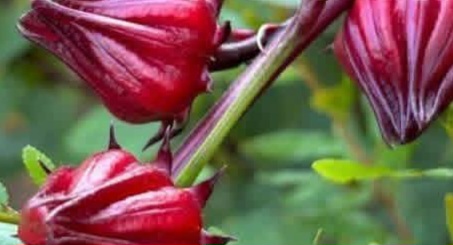
Jamaican Flower Jelly with Cinnamon and Cloves is a beautiful homemade preserve inspired by the bold, fruity flavor of Jamaican hibiscus, commonly known as sorrel. Deep ruby-red sorrel is infused with aromatic cinnamon and cloves, then combined with sugar and pectin to create a glossy jelly with a sweet-tart flavor and warming spice.
This jelly is delicious spread over toast, biscuits, scones, pancakes, or freshly baked bread. It also makes a lovely homemade gift during the holidays or whenever you want to preserve the distinctive flavor of sorrel.
Important: This recipe assumes the “Jamaican flower” means dried hibiscus/sorrel (Hibiscus sabdariffa) calyces, not an ornamental flower. Use food-grade dried hibiscus intended for culinary use.
Recipe Details
- Prep Time: 15 minutes
- Infusion Time: 20–30 minutes
- Cook Time: 10–15 minutes
- Total Time: About 50–60 minutes
- Yield: Approximately 4–5 half-pint jars
- Cooking Temperature: Bring to a full rolling boil
- Course: Preserves / Spread
- Cuisine: Jamaican-inspired
Ingredients
- 2 cups dried Jamaican sorrel/hibiscus calyces
- 5 cups water
- 2 cinnamon sticks
- 6–8 whole cloves
- 4 cups granulated sugar
- 1 package powdered fruit pectin, according to package directions
- 2 tablespoons fresh lemon juice
Optional
- 1 teaspoon finely grated orange zest
- ½ teaspoon ground ginger
- 1 teaspoon vanilla extract
What Is Jamaican Flower Jelly?
Jamaican sorrel is made from the dried calyces of Hibiscus sabdariffa. It has a naturally deep red color and a pleasantly tart, fruity flavor.
Sorrel is especially popular in Jamaican cuisine as a festive drink, where it is commonly infused with spices such as ginger, cinnamon, and cloves. Turning the concentrated infusion into jelly creates a spreadable preserve that captures those same sweet, tart, and warmly spiced flavors.
How to Make Jamaican Flower Jelly
1. Prepare the Sorrel
Place the dried sorrel calyces in a bowl and inspect them for any unwanted stems or debris.
Rinse them briefly under cool running water and drain.
Don’t worry if the water immediately develops a reddish color—that is part of the natural pigment in the hibiscus.
2. Make the Spiced Infusion
Add the sorrel, water, cinnamon sticks, and whole cloves to a large saucepan.
Bring the mixture to a boil over medium-high heat.
Once boiling, reduce the heat and simmer gently for approximately 15–20 minutes.
The water should become a deep ruby-red color and develop a strong fruity and spicy aroma.
3. Strain the Liquid
Remove the saucepan from the heat.
Pour the mixture through a fine-mesh strainer lined with cheesecloth if necessary.
Press the sorrel gently to extract the liquid, but avoid forcing too much sediment through the strainer.
For a clear jelly, allow the liquid to drain naturally rather than squeezing the solids aggressively.
You should have approximately 4 cups of concentrated sorrel liquid.
If you have significantly less, add a little water to reach the required amount.
4. Combine the Jelly Ingredients
Measure the sorrel liquid carefully.
Return it to a clean, large saucepan.
Add the lemon juice and powdered pectin according to the pectin manufacturer’s instructions.
Stir well.
The lemon juice contributes acidity and balances the intense sweetness while also helping provide the conditions needed for reliable gel formation.
5. Bring to a Rolling Boil
Place the saucepan over medium-high to high heat.
Stir frequently as the mixture heats.
Once it reaches a full rolling boil—a boil that continues even while stirring—add the sugar.
Stir continuously until the sugar dissolves.
Bring the mixture back to a full rolling boil.
6. Boil the Jelly
Once the mixture reaches a full rolling boil, continue boiling for approximately 1 minute, or follow the exact timing specified on your pectin package.
Stir constantly to prevent scorching.
Remove the saucepan from the heat.
If foam forms on the surface, skim it off with a clean spoon.
At this stage, the jelly should have an intense ruby-red color and a fragrant cinnamon-and-clove aroma.
7. Add Optional Flavorings
If desired, stir in a small amount of orange zest or ginger.
Be conservative with additional spices because cloves and cinnamon can become quite strong.
If using vanilla, add it after removing the pan from the heat.
8. Fill the Jars
Use properly prepared, clean, hot canning jars.
Carefully ladle the hot jelly into the jars, leaving the headspace specified by your tested canning recipe or pectin manufacturer’s instructions.
Wipe the jar rims clean.
Apply the lids and bands according to the manufacturer’s directions.
9. Process Safely
For shelf-stable storage, use a tested water-bath canning recipe and follow the exact processing time for your altitude and jar size. Do not rely on an arbitrary processing time because safe canning depends on acidity, formulation, jar size, and processing conditions.
If you don’t want to can the jelly, allow it to cool and refrigerate it instead.
How to Tell When the Jelly Has Set
The jelly may still appear somewhat liquid immediately after cooking.
That’s normal.
As it cools, the pectin forms a gel and the jelly becomes thicker.
Allow the jars to cool undisturbed before judging the final consistency.
If refrigerated jelly doesn’t set properly, it can often be remade with additional pectin following the instructions for that specific pectin product.
Why You’ll Love This Recipe
Beautiful Natural Color
Sorrel produces an intensely vibrant red color that makes this jelly especially attractive on a breakfast table or holiday spread.
Sweet and Tart
The natural acidity of hibiscus balances the sweetness of the sugar.
Warm Spice
Cinnamon and cloves add the classic festive flavors associated with Jamaican sorrel.
Versatile
Use it on toast, pancakes, waffles, biscuits, scones, or as a glaze for baked goods.
Tips for the Best Sorrel Jelly
Use culinary-grade sorrel. Make sure the dried hibiscus is intended for food use.
Measure the liquid accurately. Jelly recipes depend on the correct balance of liquid, sugar, acid, and pectin.
Use a large saucepan. Jelly can foam and expand significantly during boiling.
Don’t reduce the sugar without a tested recipe. Sugar contributes to both flavor and the setting process in many traditional jelly recipes.
Don’t overcook the jelly. Excessive boiling can affect color, flavor, and texture.
Strain carefully. A cleanly strained infusion produces a clearer jelly.
Ways to Serve Jamaican Flower Jelly
Spread it generously over:
- Toast
- Sourdough bread
- English muffins
- Biscuits
- Scones
- Pancakes
- Waffles
- Cornbread
You can also spoon a little jelly over cream cheese and serve it with crackers for an easy appetizer.
For desserts, use it as a filling between cake layers or warm a small amount and brush it over pastries as a glossy glaze.
Storage
If you are not using a tested canning process, keep the finished jelly refrigerated.
Once opened, commercially or safely home-canned jelly should be refrigerated according to the tested recipe’s instructions.
Always discard jelly showing signs of mold, fermentation, an unusual odor, or other spoilage. Do not simply scrape mold from the surface and eat the remainder.
Frequently Asked Questions
Can I use fresh hibiscus flowers?
Not necessarily. This recipe is specifically designed around dried culinary sorrel/hibiscus calyces. Ornamental hibiscus flowers are not interchangeable.
Can I leave out the cloves?
Yes. If you prefer a milder flavor, use fewer cloves or omit them completely.
Can I use ground cinnamon?
You can, but cinnamon sticks are preferable because they are easier to remove and produce a cleaner jelly.
Why is my jelly not setting?
Possible causes include incorrect liquid-to-pectin proportions, insufficient boiling, inaccurate measurements, or differences between pectin products. Follow the instructions for your particular pectin rather than substituting measurements from another brand.
Can I make it less sweet?
Traditional jelly relies heavily on sugar for its texture and preservation characteristics. If you want a lower-sugar version, use a pectin specifically designed for reduced-sugar recipes and follow its formulation exactly.
Nutrition Information
Approximate nutrition per 1 tablespoon:
- Calories: 50
- Carbohydrates: 13 g
- Sugar: 12 g
- Protein: 0 g
- Fat: 0 g
- Fiber: 0 g
- Sodium: 0–5 mg
Nutrition is an estimate and will vary according to the final yield and amount of sugar used.