 admin1
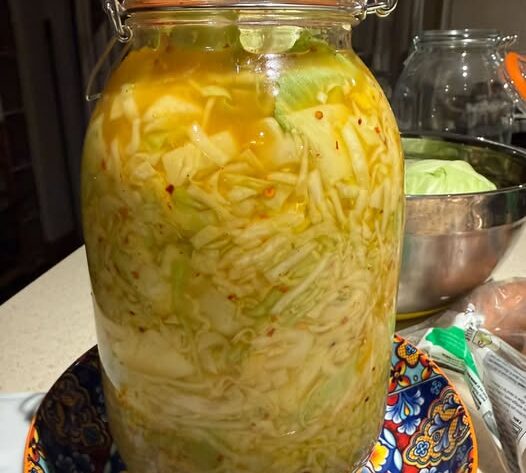
Homemade sauerkraut with pineapple, ginger, and spices is a delicious twist on traditional fermented cabbage. This vibrant recipe combines the natural tanginess of cabbage with the tropical sweetness of pineapple, the gentle warmth of fresh ginger, and aromatic spices for a flavorful homemade ferment.
Whether you’re new to fermentation or an experienced home cook, this pineapple ginger sauerkraut is easy to prepare with simple ingredients. It makes a wonderful accompaniment to sandwiches, salads, grilled vegetables, rice bowls, and your favorite savory dishes.
Why You’ll Love This Pineapple Ginger Sauerkraut
- Sweet and tangy: Pineapple balances the natural sourness of fermented cabbage.
- Fresh ginger flavor: Adds a warm, aromatic taste.
- Naturally fermented: Uses salt and beneficial fermentation bacteria naturally present on vegetables.
- Customizable spices: Adjust the seasoning to suit your taste.
- Easy to prepare: No special cooking equipment is required.
- Versatile: Delicious with sandwiches, salads, grilled foods, and savory meals.
Recipe Overview
| Details | Information |
|---|---|
| Preparation Time | 25 minutes |
| Fermentation Time | 5–14 days |
| Total Time | Approximately 5–14 days |
| Yield | About 1 quart (1 liter) |
| Course | Side Dish, Condiment |
| Cuisine | Fusion |
| Difficulty | Easy |
Ingredients
For the Pineapple Ginger Sauerkraut
- 1 medium green cabbage (approximately 1 kg)
- 150 g fresh pineapple, finely chopped
- 30 g fresh ginger, peeled and grated
- 2–3 garlic cloves, finely minced
- 20 g non-iodized sea salt (approximately 2% of the cabbage and pineapple weight)
- 1 teaspoon mustard seeds
- ½ teaspoon black peppercorns
- ½ teaspoon turmeric powder
- ½ teaspoon cumin seeds
- 1 small red chili, finely sliced (optional)
Optional Flavor Additions
- 1 teaspoon coriander seeds
- 1 small cinnamon stick
- 1 tablespoon fresh lime juice, added when serving rather than during fermentation
Important: Use fresh pineapple in a moderate amount. Pineapple contains natural sugars and enzymes that can influence fermentation and texture. Keeping the pineapple proportion modest helps the cabbage retain its crunch.
Instructions
Step 1: Prepare the Cabbage
Remove the outer leaves of the cabbage and rinse it under clean running water.
Set aside one clean outer leaf to use later as a cover.
Cut the cabbage into quarters, remove the hard core, and slice it into thin strips.
Place the shredded cabbage in a large, clean mixing bowl.
Step 2: Prepare the Pineapple and Ginger
Peel the pineapple and remove the tough core.
Cut the pineapple into small pieces, approximately ¼ inch in size.
Peel and grate the fresh ginger. Mince the garlic cloves.
Add the pineapple, ginger, and garlic to the shredded cabbage.
The pineapple provides natural sweetness, while the ginger and garlic contribute a warm, savory aroma.
Step 3: Add the Salt and Spices
Add the non-iodized sea salt, mustard seeds, black peppercorns, turmeric, cumin seeds, and optional chili.
Mix everything thoroughly.
The salt helps draw moisture from the cabbage, creating the natural brine needed for fermentation.
Step 4: Massage the Cabbage
Using clean hands, massage the cabbage mixture for approximately 5–10 minutes.
The cabbage will gradually soften and release liquid.
Continue until there is enough natural brine to partially cover the mixture when pressed down.
If the cabbage is particularly dry, allow it to rest for another 15–20 minutes and massage again.
Step 5: Pack the Jar
Transfer the cabbage mixture into a clean glass fermentation jar.
Press it down firmly with a clean spoon or fermentation tamper to remove air pockets.
Pour any remaining liquid from the bowl into the jar.
Leave approximately 2–3 inches of headspace at the top because fermentation produces gas.
Step 6: Keep the Cabbage Submerged
Place the reserved cabbage leaf over the shredded mixture.
Use a clean fermentation weight to keep all the cabbage and pineapple submerged beneath the brine.
If there is insufficient liquid, add a little prepared 2% salt brine until the vegetables are covered.
Never leave the cabbage exposed above the brine, as exposure to air increases the risk of surface mold and spoilage.
Step 7: Begin Fermentation
Close the jar with a fermentation lid or airlock.
Place it on a tray to catch any liquid that may escape.
Keep the jar at approximately 65–72°F (18–22°C), away from direct sunlight.
Allow the sauerkraut to ferment for 5–14 days, depending on your preferred flavor and the temperature of your kitchen.
Check the jar daily to ensure the vegetables remain submerged.
Step 8: Taste and Refrigerate
After about 5 days, taste a small amount using a clean utensil.
If you prefer a mild, fruity flavor, refrigerate it once it has developed a pleasant tang.
For a stronger sour flavor, allow it to ferment for several additional days.
Once fermentation is complete, transfer the jar to the refrigerator to slow the fermentation process.
Fermentation Time and Temperature
| Temperature | Approximate Fermentation Time |
|---|---|
| 65–68°F (18–20°C) | 10–14 days |
| 68–72°F (20–22°C) | 7–10 days |
| 72–75°F (22–24°C) | 5–7 days |
These are approximate times. Fermentation speed depends on the cabbage, pineapple, salt concentration, and your kitchen environment.
The finished sauerkraut should smell pleasantly sour, fruity, and slightly spicy.
Nutrition Information
Estimated nutrition per serving, based on approximately 12 servings.
| Nutrient | Amount |
|---|---|
| Calories | 20 kcal |
| Carbohydrates | 4 g |
| Protein | 1 g |
| Fat | 0 g |
| Fiber | 1.5 g |
| Sugar | 2 g |
| Sodium | 320 mg |
Nutrition values are estimates. Actual sodium content varies depending on how much brine is consumed.
Tips for Perfect Pineapple Ginger Sauerkraut
Use Fresh, Firm Cabbage
Fresh cabbage contains plenty of natural moisture, making it easier to create the brine needed for fermentation.
Measure the Salt
For consistent fermentation, weigh your ingredients rather than relying only on teaspoons.
A practical starting point is approximately 2% salt by weight of the cabbage and pineapple combined.
Keep Everything Submerged
Use a fermentation weight to keep the vegetables beneath the brine throughout fermentation.
Avoid Excessive Pineapple
Too much pineapple can make the ferment overly sweet and affect the texture. The suggested amount provides fruity flavor without overpowering the cabbage.
Use Clean Equipment
Wash your hands, jar, utensils, and fermentation weight thoroughly before beginning.
Be Patient
Fermentation develops flavor gradually. A few extra days can produce a deeper, more complex sour taste.
Frequently Asked Questions
Can I make sauerkraut without pineapple?
Yes! Simply omit the pineapple and use cabbage, ginger, garlic, salt, and spices. The result will be more traditional and less sweet.
Can I use canned pineapple?
Fresh pineapple is preferable because it provides a fresher flavor and avoids additional syrup or preservatives. If using canned pineapple, choose pineapple packed in juice without added sugar and drain it well.
Is homemade sauerkraut probiotic?
Naturally fermented sauerkraut may contain live microorganisms when it has not been pasteurized. However, the types and amounts vary depending on the fermentation conditions, and it should not be considered a treatment for any medical condition.
Why is my sauerkraut not sour?
It may need more fermentation time. Cooler temperatures can slow the fermentation process, so allow additional days and taste periodically.
How long does homemade sauerkraut last?
Once fermented and refrigerated, it is generally best enjoyed within 2–3 months for quality. Always use clean utensils and discard the batch if you notice fuzzy mold, unusual discoloration, or an unpleasant rotten smell.
Can I make this recipe spicy?
Absolutely! Add sliced red chili, extra ginger, or a pinch of cayenne pepper for a warmer, more intense flavor.