 admin1
 The claim that beetroot juice kills cancer cells in 42 days has circulated online for years, often appearing in social media posts, health blogs, and alternative medicine discussions. These claims are usually linked to stories about natural healing remedies, vegetable juice fasts, or special dietary protocols that supposedly eliminate cancer without conventional medical treatment.
While beetroot is undoubtedly a nutritious vegetable with impressive health benefits, the statement that drinking beetroot juice can destroy cancer cells in exactly 42 days is not supported by scientific evidence. Understanding what research actually says about beetroot and cancer can help people make informed decisions about their health and avoid misinformation that could potentially delay proper medical care.
This article explores the origins of the claim, what science says about beetroot’s potential health benefits, and why it is important to rely on evidence-based treatments when dealing with serious diseases such as cancer.
Where Did the “42 Days” Claim Come From?
The belief that beetroot juice can kill cancer cells in 42 days is often associated with the story of Rudolf Breuss, an Austrian naturopath who developed what became known as the Breuss Diet.
The Breuss Diet involves consuming specific vegetable juices, including beetroot juice, while avoiding solid food for several weeks. Supporters of the diet claim that cancer cells can be “starved” during this period, causing tumors to disappear.
However, these claims have never been validated through rigorous scientific research. No large-scale clinical trials have demonstrated that the Breuss Diet or beetroot juice alone can cure cancer, eliminate tumors, or destroy cancer cells within a specific timeframe.
The “42 days” figure appears to come from the duration of the fasting protocol rather than from any proven biological process.
What Is Beetroot?
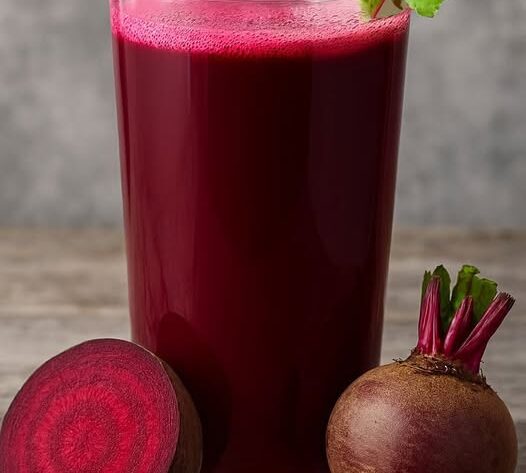
Beetroot, also known simply as beet, is a root vegetable recognized for its deep red-purple color and naturally sweet flavor.
It is rich in several nutrients, including:
- Vitamin C
- Folate
- Potassium
- Manganese
- Iron
- Fiber
- Antioxidants
One of beetroot’s most distinctive characteristics is its high concentration of compounds called betalains, which give the vegetable its vibrant color.
These compounds have attracted scientific interest because of their antioxidant and anti-inflammatory properties.
Why Scientists Are Interested in Beetroot
Researchers have spent years studying plant compounds that may help protect cells from damage.
Beetroot contains several naturally occurring substances that have shown promise in laboratory settings, including:
Betalains
Betalains are powerful pigments that may help reduce oxidative stress in cells.
Oxidative stress occurs when unstable molecules called free radicals damage healthy tissues and DNA.
Scientists believe that reducing oxidative stress may help lower the risk of various chronic diseases.
Polyphenols
Polyphenols are plant compounds found in many fruits and vegetables.
They are known for their antioxidant properties and may contribute to overall health.
Nitrates
Beetroot is naturally high in dietary nitrates.
The body converts these nitrates into nitric oxide, a molecule that helps blood vessels relax and improve circulation.
What Laboratory Studies Have Found
Some laboratory studies have shown that beetroot extracts can affect cancer cells grown in petri dishes.
Researchers have observed that certain compounds in beetroot may:
- Slow the growth of some cancer cells
- Trigger programmed cell death in laboratory conditions
- Reduce inflammation
- Protect healthy cells from oxidative damage
These findings are encouraging from a scientific perspective.
However, there is an important distinction between what happens in a laboratory and what happens inside the human body.
Cancer cells in a petri dish exist in a highly controlled environment that does not reflect the complexity of a living person.
Many substances that appear promising in laboratory experiments ultimately fail to produce meaningful results in human clinical trials.
Does Beetroot Juice Cure Cancer?
At present, there is no reliable scientific evidence showing that beetroot juice cures cancer in humans.
There are no well-designed clinical trials demonstrating that:
- Beetroot juice eliminates tumors
- Beetroot juice kills all cancer cells
- Beetroot juice can replace chemotherapy
- Beetroot juice can replace radiation therapy
- Beetroot juice can cure cancer within 42 days
While beetroot can be part of a healthy diet, it should not be considered a standalone treatment for cancer.
Understanding Cancer Treatment
Cancer is a complex group of diseases involving abnormal cell growth.
Different types of cancer behave differently and require different treatment approaches.
Modern cancer treatment may include:
- Surgery
- Chemotherapy
- Radiation therapy
- Immunotherapy
- Hormone therapy
- Targeted therapies
These treatments have been extensively studied and tested in clinical trials involving thousands of patients.
Their effectiveness is supported by scientific evidence and ongoing research.
No vegetable juice, including beetroot juice, has demonstrated the ability to replace these treatments.
Health Benefits of Beetroot Juice
Although beetroot juice is not a proven cancer cure, it offers several potential health benefits.
Supports Heart Health
The nitrates in beetroot may help improve blood flow and support healthy blood pressure levels.
Rich in Antioxidants
Beetroot contains antioxidants that help protect cells from damage caused by free radicals.
May Improve Exercise Performance
Some studies suggest that beetroot juice may enhance endurance and athletic performance by increasing nitric oxide production.
Supports Digestive Health
Whole beetroot contains fiber, which supports healthy digestion and gut function.
Provides Important Nutrients
Beetroot contributes valuable vitamins and minerals to a balanced diet.
Why Health Misinformation Can Be Dangerous
Claims that a single food can cure cancer are often appealing because they offer hope and simplicity.
Unfortunately, relying on unproven remedies can have serious consequences.
Some individuals may:
- Delay seeking medical care
- Stop prescribed treatments
- Spend money on ineffective products
- Develop unrealistic expectations
Cancer outcomes are generally better when patients receive prompt diagnosis and evidence-based treatment.
Natural foods can play a supportive role in overall wellness, but they should not replace professional medical care.
Can Diet Help Prevent Cancer?
While no food can guarantee cancer prevention, research suggests that healthy dietary habits may reduce overall cancer risk.
Experts generally recommend:
Eating More Fruits and Vegetables
A variety of colorful produce provides antioxidants, vitamins, minerals, and fiber.
Limiting Processed Foods
Reducing consumption of heavily processed foods may support long-term health.
Maintaining a Healthy Weight
Obesity is associated with an increased risk of several types of cancer.
Staying Physically Active
Regular exercise contributes to overall wellness and may reduce cancer risk.
Avoiding Tobacco
Tobacco remains one of the leading causes of preventable cancer worldwide.
Limiting Alcohol Consumption
Excessive alcohol intake has been linked to multiple forms of cancer.
How to Include Beetroot in a Healthy Diet
If you enjoy beetroot, there are many nutritious ways to include it in your meals.
Beetroot Juice
Fresh beetroot juice can be enjoyed on its own or blended with:
- Apples
- Carrots
- Ginger
- Oranges
- Celery
Roasted Beetroot
Roasting enhances beetroot’s natural sweetness and makes an excellent side dish.
Beetroot Salads
Add cooked or grated raw beetroot to salads for color and flavor.
Smoothies
Blend beetroot with berries, yogurt, and bananas for a nutrient-rich smoothie.
Soups
Beetroot can be incorporated into hearty soups and vegetable-based dishes.
Frequently Asked Questions
Can beetroot juice kill cancer cells?
Laboratory studies suggest certain beetroot compounds may affect cancer cells under controlled conditions, but there is no evidence that drinking beetroot juice kills cancer cells in humans.
Can beetroot juice cure cancer in 42 days?
No. There is currently no scientific evidence supporting this claim.
Is beetroot healthy?
Yes. Beetroot is rich in vitamins, minerals, antioxidants, and dietary nitrates that may support overall health.
Can cancer patients drink beetroot juice?
Many cancer patients can safely enjoy beetroot as part of a balanced diet, but dietary decisions should always be discussed with their healthcare team.
Should beetroot replace cancer treatment?
No. Beetroot should never be considered a substitute for evidence-based medical treatment.