 admin1
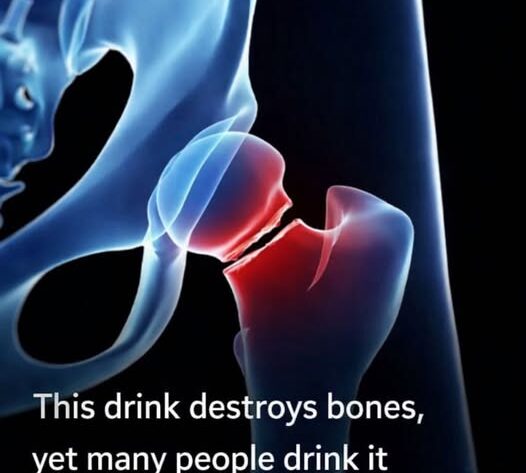
Your bones play an essential role in keeping your body strong, supporting movement, protecting vital organs, and maintaining your overall health. However, bone health can gradually decline as we age, and everyday lifestyle habits may contribute to this process. While many people focus on eating calcium-rich foods and taking vitamin supplements, they sometimes overlook what they drink every day.
Certain beverages may negatively affect bone health, particularly when consumed frequently or in large amounts. Some contain excessive added sugar, caffeine, or alcohol, while others may replace nutritious drinks that provide essential minerals.
Health experts often emphasize that maintaining strong bones requires a combination of balanced nutrition, regular physical activity, adequate vitamin D, and healthy lifestyle choices.
In this article, we explore five drinks that may be bad for your bones, why they deserve attention, and healthier alternatives you can enjoy to support your skeletal health.
1. Sugary Soft Drinks and Sodas
Sugary soft drinks are among the beverages worth limiting when thinking about long-term bone health. Popular sodas often contain large amounts of added sugar and provide little nutritional value.
Some cola beverages also contain phosphoric acid, which has attracted attention in research examining the relationship between soft drink consumption and bone health.
One concern is that people who regularly drink large quantities of soda may consume fewer nutritious beverages, such as milk or fortified alternatives. This can reduce their intake of calcium and other nutrients needed for maintaining healthy bones.
Some observational studies have found associations between frequent cola consumption and lower bone mineral density, particularly among women. However, this does not prove that drinking soda directly causes osteoporosis.
Why you should limit it:
- Many soft drinks contain substantial amounts of added sugar.
- They provide little or no calcium.
- Frequent consumption may replace more nutritious drinks.
- Cola consumption has been associated with differences in bone mineral density in some studies.
Healthier alternative: Choose plain water, sparkling water with fresh lemon, or unsweetened fruit-infused water. These options provide hydration without excessive added sugar.
2. Excessive Coffee and Highly Caffeinated Drinks
Coffee is one of the most popular beverages worldwide. Many people enjoy it every morning for its aroma, flavor, and stimulating effects.
Moderate coffee consumption is generally considered safe for most healthy adults. However, consuming excessive amounts of caffeine may affect calcium balance.
Caffeine can temporarily increase the amount of calcium lost through urine. For most people eating a balanced diet, this effect is relatively small. Nevertheless, people who already have low calcium intake or an increased risk of osteoporosis may need to pay closer attention.
The concern becomes greater when someone drinks several large cups of strong coffee daily but consumes very little calcium-rich food.
Energy drinks and highly caffeinated beverages can also contribute to excessive caffeine intake.
Why excessive caffeine may matter:
- It can slightly increase calcium excretion.
- High consumption may be associated with lower bone mineral density in some populations.
- Replacing nutritious drinks with coffee may reduce calcium intake.
- Excessive caffeine can interfere with sleep, which is important for overall health.
Healthier approach: Enjoy coffee in moderation and make sure your diet contains enough calcium. Adding milk or a calcium-fortified alternative can help increase your calcium intake.
For most healthy adults, the FDA cites 400 mg of caffeine daily as an amount not generally associated with dangerous effects, although individual sensitivity varies.
3. Alcoholic Beverages
Alcohol is another beverage that deserves attention when discussing bone health.
While occasional alcohol consumption does not automatically cause bone problems, regularly drinking excessive amounts may negatively affect the body’s ability to maintain strong bones.
Bones are living tissues that constantly break down and rebuild themselves. This process depends on specialized cells, hormones, minerals, and nutrients.
Heavy alcohol consumption can interfere with the normal activity of bone-forming cells. It may also affect calcium and vitamin D metabolism, making it harder for the body to maintain healthy bones.
People who drink heavily over long periods may face an increased risk of osteoporosis and fractures.
Alcohol can also increase the likelihood of falls and injuries, particularly among older adults.
Why excessive alcohol consumption may harm bone health:
- It can interfere with normal bone remodeling.
- It may reduce the activity of bone-forming cells.
- It can contribute to nutritional deficiencies.
- It may increase the risk of falls and fractures.
- Long-term heavy drinking is associated with weaker bones.
Healthier alternative: Try sparkling water with lime, unsweetened iced tea, or a refreshing homemade fruit drink without added sugar.
If you regularly consume alcohol, reducing your intake can be an important step toward improving your overall health.
4. Sweetened Fruit Juices and Sugary Fruit Drinks
Fruit juice is often considered a healthy beverage, but not all fruit drinks offer the same nutritional benefits.
Fresh fruit contains fiber, vitamins, minerals, and natural plant compounds. However, many commercially available fruit drinks contain added sugar and may have very little actual fruit.
Drinking large amounts of sugary fruit beverages can increase overall sugar consumption without providing the same benefits as eating whole fruit.
Excessive added sugar is not directly proven to cause osteoporosis, but a diet dominated by sugary beverages may displace foods that provide calcium, magnesium, potassium, and other nutrients important for bone health.
Some sweetened drinks also contribute to excess calorie intake, which can affect overall metabolic health.
Why you should be careful:
- Some fruit drinks contain significant added sugar.
- They may provide less fiber than whole fruit.
- They often contain little calcium.
- Frequent consumption may replace more nutritious foods and drinks.
Healthier alternative: Eat whole fruits such as oranges, apples, berries, and kiwi. If you enjoy juice, choose 100% fruit juice without added sugar and keep portions moderate.
You can also prepare homemade fruit-infused water using fresh strawberries, lemon, cucumber, or mint.
5. Energy Drinks
Energy drinks have become increasingly popular among people looking for a quick boost of energy.
However, many energy drinks contain high levels of caffeine, added sugar, and other stimulating ingredients.
Although occasional consumption does not automatically damage bones, regularly drinking large amounts may create problems, particularly when energy drinks replace healthier beverages.
High caffeine intake can contribute to increased calcium excretion, while excessive added sugar can make it harder to maintain a balanced diet.
Another concern is that energy drinks are sometimes consumed by teenagers and young adults, who need adequate nutrition during the years when they are building bone mass.
Why energy drinks deserve attention:
- Some contain very high amounts of caffeine.
- Many have considerable added sugar.
- They provide little calcium.
- Excessive caffeine may affect sleep and overall health.
- They can replace nutritious beverages in everyday diets.
Healthier alternative: Drink water throughout the day, enjoy unsweetened green tea, or choose a small serving of fresh fruit alongside water for a more balanced energy boost.
What Should You Drink to Support Strong Bones?
Avoiding or reducing certain beverages is only one part of maintaining healthy bones. Your body also needs adequate nutrients to support bone strength and normal bone development.
Here are some nutritious drink options to consider.
1. Milk
Milk provides calcium, protein, and other nutrients that support bone health. Fortified milk may also provide vitamin D, depending on the product.
2. Calcium-Fortified Plant Milk
For people who avoid dairy, fortified soy, almond, or oat milk can provide calcium. Check the nutrition label because calcium content varies between brands.
3. Water
Water is essential for hydration and supports many normal bodily functions. Although it does not directly strengthen bones, staying hydrated is an important part of maintaining overall health.
4. Unsweetened Yogurt Smoothies
A smoothie made with plain yogurt, berries, and milk can provide calcium, protein, and other valuable nutrients.
5. Green Smoothies
A smoothie containing calcium-rich ingredients such as kale, fortified soy milk, and fruit can be a nutritious addition to a balanced diet.
Five Important Nutrients Your Bones Need
Drinks are only one part of the picture. Your daily diet should also include essential nutrients that help maintain strong bones.
| Nutrient | Why It Matters | Food Sources |
|---|---|---|
| Calcium | Supports bone structure | Milk, yogurt, cheese, fortified foods |
| Vitamin D | Helps the body absorb calcium | Fatty fish, fortified foods, sunlight exposure |
| Magnesium | Supports normal bone structure | Nuts, seeds, beans, leafy greens |
| Vitamin K | Helps regulate bone-related proteins | Spinach, broccoli, kale |
| Protein | Provides structural support for bones and muscles | Eggs, fish, chicken, beans |
A balanced diet containing these nutrients can help support bone health throughout life.
Daily Habits That Help Protect Your Bones
In addition to choosing healthier beverages, several everyday habits can help maintain bone strength.
1. Exercise regularly: Walking, dancing, stair climbing, and resistance exercises can help support bone strength.
2. Get adequate vitamin D: Vitamin D helps your body absorb calcium. Discuss supplementation with a healthcare professional if you are at risk of deficiency.
3. Eat calcium-rich foods: Include dairy products, fortified alternatives, leafy vegetables, and other calcium-containing foods in your diet.
4. Avoid smoking: Smoking is associated with an increased risk of osteoporosis and fractures.
5. Maintain a healthy lifestyle: A balanced diet, sufficient sleep, and regular physical activity all contribute to better overall health.
6. Talk to your doctor: If you are older, have a history of fractures, or have risk factors for osteoporosis, ask whether a bone density test is appropriate.
Frequently Asked Questions
Can drinking soda every day weaken your bones?
Frequent soda consumption has been associated with lower bone mineral density in some observational studies. However, the relationship is complex, and soda itself has not been conclusively established as a direct cause of osteoporosis.
Does coffee remove calcium from your bones?
Caffeine can slightly increase calcium loss through urine. For most people, moderate coffee consumption is unlikely to cause significant bone problems when calcium intake is adequate.
Is milk better than soda for bone health?
Milk provides calcium and protein, which are important nutrients for bones. Most sugary sodas provide little nutritional value in comparison.
Can older adults improve their bone health?
Yes. Adequate calcium and vitamin D, regular weight-bearing exercise, avoiding smoking, and limiting excessive alcohol can help maintain bone health as people age.
What is the best drink for strong bones?
Milk and calcium-fortified plant beverages are useful options because they provide calcium. Water is also important for everyday hydration.