 admin1
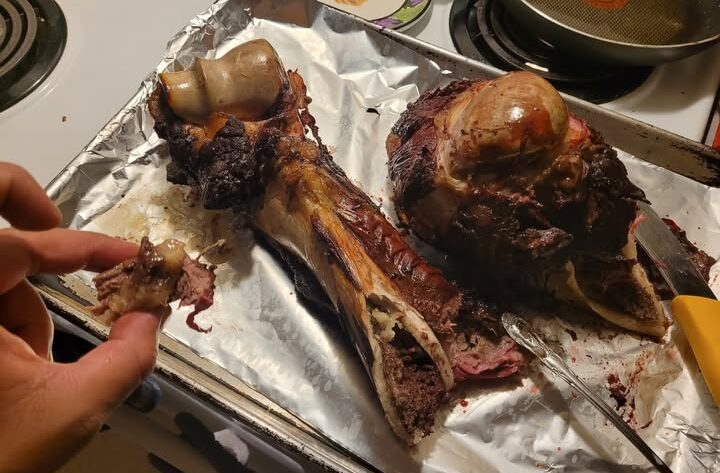
Oven-roasted moose bones are a delicious way to enjoy rich, buttery bone marrow with a deep, savoury flavour. Slow-roasting the bones in the oven softens the marrow, making it wonderfully creamy and perfect for spreading over toasted bread or serving alongside roasted vegetables.
Whether you’re preparing a rustic appetiser, a hearty meal, or looking for a simple way to cook moose bones, this easy recipe uses just a few ingredients to create a flavourful dish.
The secret is roasting the bones at the right temperature until the marrow is soft, golden, and delicious.
Recipe Details
Prep time
10 minutes
Cook time
25–40 minutes
Total time
35–50 minutes
Servings
2–4
Oven temperature
425°F (220°C)
Ingredients
- 2–4 moose marrow bones, split lengthwise or cut into 2–3-inch pieces
- 1 tablespoon olive oil or melted butter (optional)
- ½ teaspoon sea salt
- ¼ teaspoon freshly ground black pepper
- 2 garlic cloves, finely chopped (optional)
- 1 teaspoon fresh rosemary, chopped
- 1 teaspoon fresh thyme leaves
- 1 tablespoon fresh parsley, chopped
- 1 teaspoon lemon juice (optional)
For serving
- Toasted sourdough bread
- Fresh lemon wedges
- Flaky sea salt
- Finely chopped parsley
Instructions
Step 1: Prepare the moose bones
Preheat your oven to 425°F (220°C).
Arrange the moose bones on a sturdy baking tray or in a roasting dish.
If the bones are frozen, thaw them safely in the refrigerator before cooking.
Pat the bones dry with paper towels to remove excess moisture.
Step 2: Season the bones
Sprinkle the bones with sea salt and black pepper.
If desired, drizzle lightly with olive oil or melted butter.
Add the chopped garlic, rosemary, and thyme for extra flavour.
Step 3: Arrange the bones for roasting
Place the bones marrow-side up if they are split lengthwise.
This helps the marrow remain inside the bones as it softens and melts.
If the bones are cut into short pieces, arrange them upright in the roasting dish where possible.
Step 4: Roast in the oven
Place the baking tray in the preheated oven.
Roast for approximately 25–40 minutes, depending on the size and thickness of the bones.
Check the marrow after 20 minutes.
The marrow should be soft, creamy, and beginning to pull away slightly from the bone.
For safety, ensure the marrow reaches an internal temperature of 160°F (71°C).
Step 5: Add the finishing touches
Remove the bones from the oven and allow them to rest for 5 minutes.
Sprinkle with fresh parsley and a little lemon juice.
Add a pinch of flaky sea salt just before serving.
Step 6: Serve warm
Serve the roasted moose marrow immediately while it is warm and creamy.
Spread the marrow over toasted sourdough bread or enjoy it with roasted vegetables.
Tips for Perfect Oven-Roasted Moose Bones
- Choose split marrow bones: These make the marrow easier to access and cook more evenly.
- Roast marrow-side up: This helps prevent the marrow from leaking out.
- Don’t overcook: Excessive roasting can cause the marrow to melt away.
- Use fresh herbs: Rosemary, thyme, and parsley complement the rich flavour.
- Watch the roasting time: Smaller bones may cook more quickly than large, thick bones.
- Serve immediately: Bone marrow is most enjoyable while warm and creamy.
Delicious Variations
1. Garlic Butter Moose Bones
Mix softened butter with minced garlic, parsley, and black pepper. Spread a little over the bones before roasting.
2. Herb-Roasted Moose Marrow
Add fresh rosemary, thyme, and oregano for a fragrant, savoury flavour.
3. Spicy Roasted Moose Bones
Sprinkle with smoked paprika, chilli flakes, and black pepper before roasting.
4. Lemon and Parsley Moose Marrow
Finish the roasted marrow with fresh lemon juice and chopped parsley for a bright contrast to its rich flavour.
What to Serve with Roasted Moose Bones
Roasted moose marrow pairs wonderfully with:
- Toasted sourdough bread
- Roasted potatoes
- Grilled vegetables
- Fresh green salad
- Pickled onions
- Garlic bread
- Roasted mushrooms
For a hearty meal, serve the marrow alongside roasted potatoes and seasonal vegetables.
Storage and Reheating
Refrigerator: Remove any leftover marrow from the bones and store it in an airtight container for up to 3 days.
Freezer: Freeze cooked marrow in a sealed container for up to 2 months.
Reheating: Warm the marrow gently in an oven at 300°F (150°C) until heated through.
Avoid overheating, as marrow can melt and become oily.
Nutrition Information
Estimated nutrition per serving, based on 4 servings and without bread.
| Nutrient | Amount |
|---|---|
| Calories | 250 kcal |
| Protein | 4 g |
| Carbohydrates | 1 g |
| Fat | 26 g |
| Saturated fat | 11 g |
| Fiber | 0 g |
| Sugar | 0 g |
| Sodium | 300 mg |
Nutrition values are estimates. Actual values depend on the amount of marrow in the bones and how much is consumed.
Frequently Asked Questions
Can I cook moose bones at a lower temperature?
Yes. You can roast them at 400°F (200°C), but they may require a little more time. Check the marrow regularly to prevent it from melting away.
Should I soak moose bones before roasting?
Soaking is optional. Some cooks soak marrow bones in cold salted water for several hours to remove excess blood. If you choose to soak them, keep them refrigerated and pat them dry thoroughly before roasting.
Can I roast whole moose bones?
Yes, but whole bones with marrow enclosed inside may take longer to cook. Split bones are generally easier to roast and serve.
Can I use moose bones for broth instead?
Absolutely! Moose bones are excellent for homemade stock. Roast them first to develop deeper flavour, then simmer them with vegetables, herbs, and water to make a rich broth.
What does roasted moose marrow taste like?
Bone marrow has a rich, buttery, savoury flavour with a soft, creamy texture. Moose marrow is similar to other large game animal marrow, although its flavour can vary depending on the animal’s diet and the bones used.