 admin1
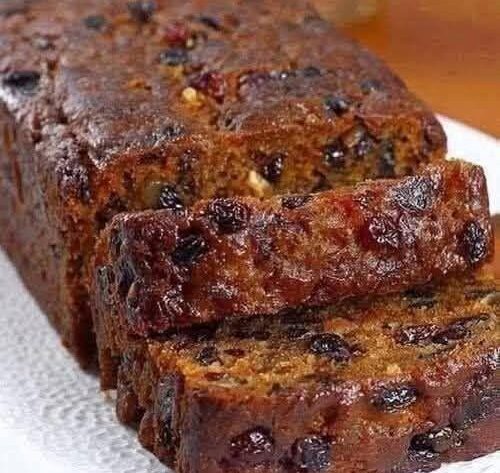
This Classic Moist Fruit & Nut Loaf is a delicious homemade bake packed with sweet dried fruit, crunchy nuts, and warm spices. It has a tender, moist crumb, a lightly golden crust, and a wonderful aroma that fills your kitchen while it bakes. Whether you enjoy it with your morning tea, serve it as an afternoon snack, or share it with family during the holidays, this traditional loaf is a comforting treat for almost any occasion.
The best part is that this recipe uses simple pantry ingredients and requires no complicated baking techniques. Raisins, dates, walnuts, or pecans can all be used to create a loaf full of flavor and texture. A little cinnamon and vanilla add warmth, while milk or orange juice helps keep the finished cake soft and moist.
Serve it plain, spread with a little butter, or toast a slice for a delicious breakfast treat.
Why You’ll Love This Fruit & Nut Loaf
- Moist and tender: The combination of butter, eggs, and milk helps create a soft crumb.
- Packed with flavor: Dried fruit adds natural sweetness, while nuts provide a satisfying crunch.
- Easy to prepare: No mixer or special baking equipment is required.
- Perfect for make-ahead baking: The flavors develop beautifully as the loaf rests.
- Versatile: Customize it with your favorite dried fruits, nuts, and spices.
- Ideal for sharing: Enjoy it with tea, coffee, or as part of a holiday dessert table.
Recipe Details
Prep time
20 minutes
Cook time
55–70 minutes
Total time
1 hour 25 minutes–1 hour 30 minutes
Servings
10–12 slices
Oven temperature
350°F (175°C) conventional oven
Difficulty
Easy
Ingredients for Classic Fruit & Nut Loaf
This recipe makes one standard loaf using an approximately 9 × 5-inch (23 × 13 cm) loaf pan.
Dry ingredients
- 2 cups (250 g) all-purpose flour: Provides the structure for the loaf.
- 1 teaspoon baking powder: Helps the cake rise.
- ½ teaspoon baking soda: Supports a light texture.
- 1 teaspoon ground cinnamon: Adds warm, comforting flavor.
- ¼ teaspoon ground nutmeg: Optional, but delicious with dried fruit.
- ¼ teaspoon salt: Balances the sweetness.
Wet ingredients
- ½ cup (115 g) unsalted butter, softened: Gives the loaf richness and tenderness.
- ¾ cup (150 g) brown sugar: Adds sweetness and a slightly caramel-like flavor.
- 2 large eggs, at room temperature: Bind the ingredients together.
- 1 teaspoon vanilla extract: Enhances the overall flavor.
- ½ cup (120 ml) milk: Keeps the batter moist.
Fruit and nuts
- 1 cup (150 g) raisins or sultanas: Provide sweetness and chewy texture.
- ½ cup (75 g) chopped dates or dried apricots: Add extra fruity flavor.
- ¾ cup (85 g) chopped walnuts or pecans: Bring a pleasant crunch.
- 2 tablespoons orange juice: Optional, for a subtle citrus note.
Optional addition: Add 1 teaspoon finely grated orange zest for a bright, fragrant flavor.
How to Make Classic Moist Fruit & Nut Loaf
Step 1: Prepare the oven and loaf pan
Preheat your oven to 350°F (175°C). Lightly grease a 9 × 5-inch loaf pan and line it with baking parchment, leaving a little overhang on the long sides. This makes it easier to lift out the finished loaf.
Measure your ingredients before starting. If your raisins or dried fruit are very dry, soak them in warm water or orange juice for 10 minutes. Drain thoroughly and pat dry before adding them to the batter.
Step 2: Combine the dry ingredients
In a medium bowl, whisk together the flour, baking powder, baking soda, cinnamon, nutmeg, and salt.
Mixing these ingredients first distributes the raising agents and spices evenly, helping the loaf bake consistently. Set the bowl aside while you prepare the wet ingredients.
Step 3: Cream the butter and sugar
Place the softened butter and brown sugar in a large mixing bowl. Beat with a wooden spoon or electric mixer until the mixture looks creamy and slightly fluffy, about 2–3 minutes.
Add the eggs one at a time, mixing well after each addition. Stir in the vanilla extract and orange juice, if using.
If the mixture looks slightly separated, don’t worry. Adding the flour gradually should help bring the batter together.
Step 4: Add the dry ingredients and milk
Add about one-third of the flour mixture to the butter mixture and stir gently. Pour in some of the milk, then continue alternating the dry ingredients and milk until everything is combined.
Mix only until no large streaks of flour remain. Overmixing can make the loaf dense or tough.
The batter should be thick but soft enough to spread into the pan. If it seems unusually stiff, add 1 tablespoon of milk at a time until it reaches the right consistency.
Step 5: Fold in the fruit and nuts
Add the raisins, chopped dates or apricots, and walnuts or pecans. Use a spatula to fold them gently through the batter.
For better fruit distribution, toss the dried fruit with 1 teaspoon of the measured flour before adding it. This can help reduce sinking, although it cannot guarantee that every piece will stay evenly suspended.
Reserve a small handful of nuts to sprinkle over the top if you like a decorative finish.
Step 6: Fill the loaf pan
Transfer the batter to your prepared loaf pan. Spread it evenly into the corners and smooth the surface with a spatula.
Sprinkle the reserved nuts over the top, pressing them gently into the batter so they adhere during baking.
Tap the pan lightly on the counter once or twice to release any large air pockets.
Step 7: Bake until golden
Place the pan on the center rack and bake for 55–70 minutes, depending on your oven and the moisture content of the fruit.
Begin checking at around 50–55 minutes. The top should be golden brown, and a skewer inserted into the center should come out clean or with a few moist crumbs. It should not have wet batter on it.
If the top browns too quickly, loosely cover it with aluminum foil for the remaining baking time.
Avoid opening the oven repeatedly during the first 40 minutes, as sudden temperature changes can affect the rise.
Step 8: Cool before slicing
Remove the loaf from the oven and allow it to cool in the pan for 10–15 minutes. Carefully lift it out using the parchment paper and transfer it to a wire rack.
Let it cool completely before slicing. Cutting into a hot fruit loaf can cause it to crumble because the crumb has not yet fully set.
For especially neat slices, use a sharp serrated knife and wipe the blade between cuts.
Tips for the Best Moist Fruit & Nut Loaf
1. Use room-temperature ingredients. Butter, eggs, and milk at similar temperatures combine more evenly and help create a consistent texture.
2. Avoid overmixing. Once the flour is added, mix gently. Too much mixing can develop excess gluten and make the loaf firm.
3. Don’t skip the cooling period. Allowing the loaf to cool completely helps it hold together and makes slicing easier.
4. Watch the baking time. Every oven behaves differently. Start checking early and remove the loaf when the center is baked through.
5. Keep the fruit pieces manageable. Large pieces of dried fruit can create gaps in the crumb. Chop dates and apricots into small pieces for more even distribution.
6. Let the flavors develop. Once cooled, wrap the loaf and leave it for several hours before serving. The fruit flavors often become more pronounced by the next day.
Easy Variations
This classic recipe is flexible, so you can adapt it to your taste.
- Fruit and almond loaf: Replace the walnuts with chopped almonds and add a little orange zest.
- Date and walnut loaf: Use 1½ cups of chopped dates and walnuts for a deeper, caramel-like flavor.
- Tropical fruit loaf: Add chopped dried pineapple, mango, and cashews.
- Spiced fruit loaf: Add ¼ teaspoon ground ginger or mixed spice.
- Chocolate fruit loaf: Fold in ⅓ cup chocolate chips for a sweeter dessert-style version.
- Citrus fruit loaf: Replace some of the milk with orange juice and add orange zest.
If using a different combination of fruit, keep the total quantity roughly the same so that the batter does not become too heavy or wet.
How to Serve Fruit & Nut Loaf
This loaf is delicious in several ways:
- Serve a plain slice with tea or coffee.
- Spread with butter for a simple breakfast or afternoon snack.
- Lightly toast a slice and serve warm.
- Pair it with plain yogurt and fresh fruit.
- Serve small slices with cheese for a sweet-and-savory snack.
Because the loaf contains dried fruit and nuts, it is satisfying in modest portions. It also makes a thoughtful homemade gift when wrapped neatly in parchment and stored in a suitable food-safe container.
Storage and Freezing Instructions
At room temperature: Once completely cool, place the loaf in an airtight container. Store in a cool, dry place and enjoy within about 3–4 days.
In the refrigerator: If your kitchen is very warm or humid, refrigerate the loaf in an airtight container for up to about one week. Refrigeration may make it firmer, so allow slices to come to room temperature before serving.
In the freezer: Wrap the whole loaf or individual slices tightly, then place them in a freezer-safe bag or container. Freeze for up to 3 months for best quality.
To thaw: Leave individual slices at room temperature for approximately 30–60 minutes, or thaw the whole loaf overnight in the refrigerator. Warm a slice briefly in the oven or toaster if desired.
Discard the loaf if you notice mold, an unusual smell, or other signs of spoilage.
Approximate Nutrition Information
The following values are estimates based on the ingredients listed and a loaf cut into 12 slices. Actual nutrition varies according to the dried fruit, nuts, and brands used.
| Nutrient | Per slice |
|---|---|
| Calories | 290 kcal |
| Carbohydrates | 43 g |
| Protein | 5 g |
| Total fat | 11 g |
| Saturated fat | 5 g |
| Fiber | 3 g |
| Total sugars | 24 g |
| Sodium | 180 mg |
The loaf contains carbohydrates and naturally occurring sugars from dried fruit, as well as added sugar from the recipe. Nuts contribute unsaturated fats, while dried fruit contributes some fiber. These nutritional estimates are for general information, not medical or dietary advice.
Frequently Asked Questions
Can I make fruit and nut loaf without a mixer?
Yes. A wooden spoon and a mixing bowl are enough. Cream the softened butter and sugar thoroughly by hand, then mix in the remaining ingredients gently.
Why did my fruit sink to the bottom?
This can happen when the batter is too thin or the fruit pieces are heavy. Tossing the fruit in a teaspoon of flour and using the recommended ingredient quantities may help distribute it more evenly.
How do I know when the loaf is done?
The loaf should be golden brown, and a skewer inserted into the center should come out without wet batter. If the top is brown but the center is still wet, cover loosely with foil and continue baking.
Can I use oil instead of butter?
You can experiment with replacing the butter with a neutral-flavored oil, but the flavor and texture will change. Start with approximately ⅓ cup (80 ml) oil in place of ½ cup butter, and check the batter consistency before baking.
Can I make this recipe without nuts?
Absolutely. Omit the nuts and replace them with an equal amount of additional dried fruit or seeds, provided seeds are suitable for your needs. The loaf will have a softer texture and will no longer contain tree nuts, although you should check all ingredient labels for cross-contact warnings if allergies are a concern.
Can I reduce the sugar?
You can try reducing the brown sugar from ¾ cup to ½ cup. The loaf will be less sweet, and its moisture and texture may change slightly. Dried fruit will still contribute natural sugars, so the recipe will not be sugar-free.